Home
Home
Essential Requirements and Career Paths for Data Verification Jobs

Data verification serves as the critical quality control layer in the modern digital economy. As organizations increasingly rely on big data to drive strategic decisions, the integrity of that information has become a top-tier priority. Data verification jobs involve the systematic process of ensuring that data migrated from one environment to another, or entered into a system, is accurate, complete, and consistent with the source documents. This profession acts as a safeguard against the "garbage in, garbage out" phenomenon that can lead to multi-million dollar errors in finance, healthcare, and logistics.
The Role of Data Verification in Modern Business Operations
At its core, data verification is distinct from simple data entry. While data entry focuses on the speed of inputting information, data verification focuses on the accuracy and logic of that information. In a professional setting, this role involves comparing machine-generated or manually entered data against original sources—such as physical contracts, digital invoices, or medical transcripts—to identify discrepancies.
The importance of this function scales with the complexity of the industry. In the financial sector, a single misplaced decimal point in a verification task can result in significant regulatory fines or loss of client trust. In healthcare, verifying patient records and insurance codes is a matter of both legal compliance and patient safety. Consequently, data verification jobs are often categorized under administrative operations, quality assurance, or compliance departments.
Core Responsibilities of Data Verification Professionals
The daily activities of a data verification specialist are structured around precision and systematic review. Unlike roles that require creative output, this position demands a high level of cognitive endurance and an eye for minute details that others might overlook.
Review and Validation Protocols
The primary duty involves a meticulous side-by-side comparison. For example, in a medical billing environment, a specialist must verify that the patient’s name, insurance ID, and the specific procedure codes (such as CPT or ICD-10) match the doctor’s signed notes. This process often requires checking multiple databases simultaneously to ensure the information is synchronized across all platforms.
Systematic Error Correction
When a discrepancy is found, the specialist does not merely delete the error. They must investigate the source of the inconsistency. Was it a scanning error? Was the original handwriting illegible? Or is there a systemic bug in the data migration software? Professionals in these roles are responsible for rectifying these issues while maintaining a detailed audit trail, ensuring that every change made to the database is documented and reversible if necessary.
Compliance and Fraud Prevention
Data verification is often the first line of defense against internal and external fraud. By verifying the authenticity of vendor invoices or the identity documents of new account applicants, specialists prevent unauthorized transactions. In many jurisdictions, this role is a mandatory requirement for meeting "Know Your Customer" (KYC) and Anti-Money Laundering (AML) regulations.
Essential Skills for Data Verification Jobs
Securing a position in this field requires a specific blend of technical proficiency and psychological temperament. While the entry barriers are often accessible, excelling in the role demands continuous skill development.
Technical Proficiency in Data Tools
Most data verification jobs require an advanced understanding of Microsoft Excel or Google Sheets. Mastery of functions like VLOOKUP, HLOOKUP, and INDEX/MATCH is essential for cross-referencing large datasets quickly. Furthermore, familiarity with Customer Relationship Management (CRM) systems like Salesforce or specialized Enterprise Resource Planning (ERP) software like SAP is frequently cited in job descriptions.
For those looking to advance, basic knowledge of Structured Query Language (SQL) is highly beneficial. SQL allows a specialist to query databases directly to identify duplicate records or missing fields without relying on a middle-ware interface, significantly increasing efficiency.
Cognitive and Soft Skills
- Extreme Attention to Detail: This is the most critical trait. A successful candidate must be able to remain focused while reviewing thousands of lines of alphanumeric strings.
- Analytical Problem-Solving: Identifying that a number is wrong is the first step; understanding why it is wrong—and how it affects related tables in a database—requires analytical depth.
- Time Management: Many verification roles operate under strict Service Level Agreements (SLAs). For instance, a specialist might be required to verify 200 loan applications per shift while maintaining an accuracy rate of 99.9%.
Industry-Specific Applications of Data Verification
The requirements for data verification jobs fluctuate depending on the sector. Understanding these nuances is key for candidates looking to tailor their resumes.
Healthcare and Insurance
In healthcare, data verification analysts focus on "bill review" clerical functions. This includes prepping and scanning medical bills and verifying that the data complies with customer-specific rules. For instance, an insurance company may have a rule that prevents a specific procedure from being billed twice within 30 days. The verification specialist must recognize these patterns and flag them for review.
Financial Services and Banking
The finance industry prioritizes the verification of identity and transactional integrity. Roles here often involve verifying mortgage applications, checking credit reports against internal records, and ensuring that financial statements align with tax filings. The focus is heavily on regulatory compliance and risk mitigation.
E-commerce and Logistics
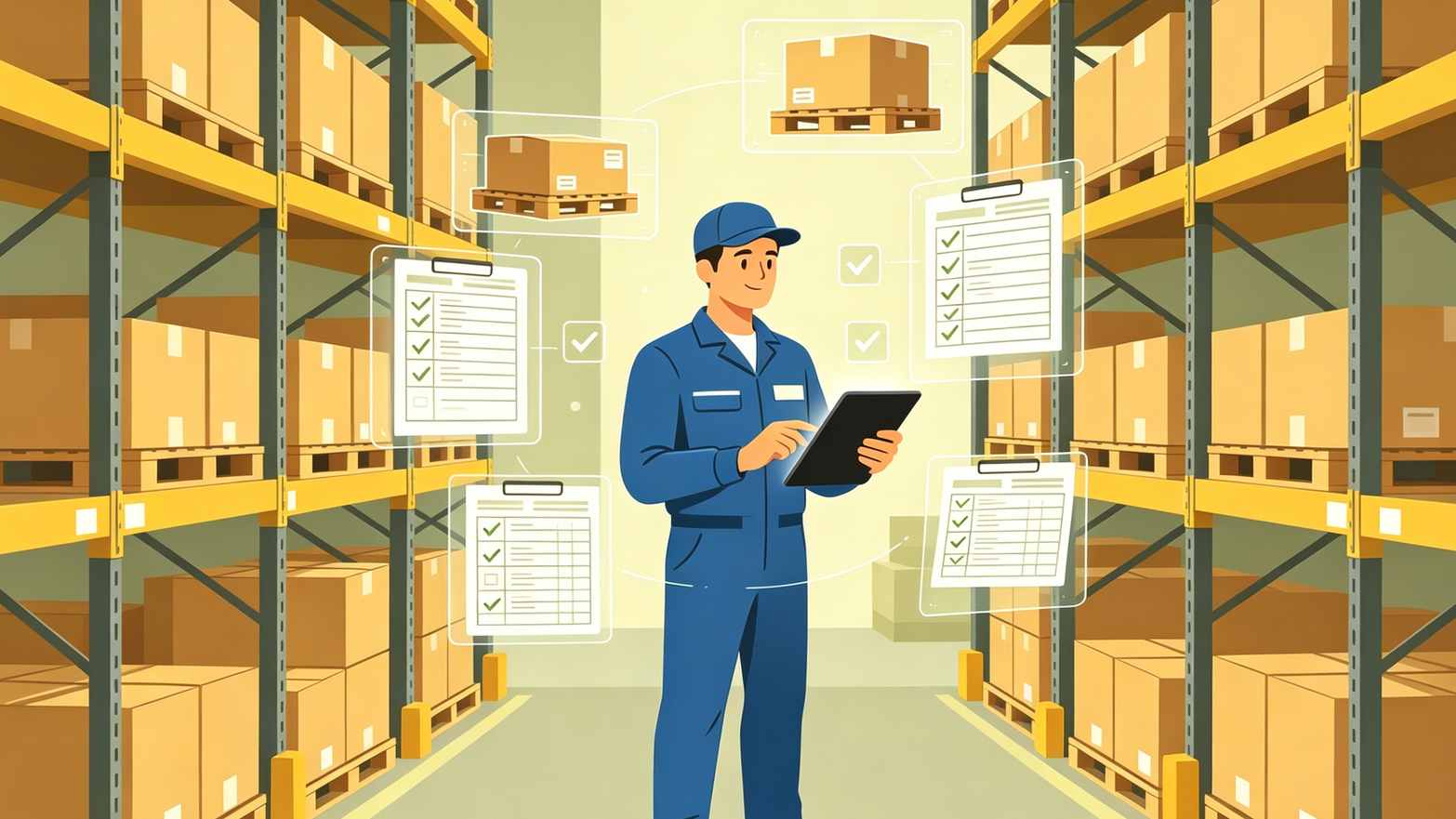
Logistics companies use data verification to manage supply chains. Specialists ensure that the SKU (Stock Keeping Unit) numbers, quantities, and shipping addresses on a manifest match the physical inventory records. Accuracy here prevents costly shipping errors and inventory shrinkage.
Understanding the Compensation and Work Environment
Based on recent market data, the compensation for data verification jobs is competitive for entry-level professional roles.
Salary Expectations
In the United States, entry-level data verification analysts can expect to earn between $13 and $24 per hour, depending on the complexity of the data and the geographic location. Highly specialized roles in finance or those requiring security clearances can command significantly higher annual salaries. Many companies also offer comprehensive benefits packages, including medical insurance, 401(k) matching, and performance-based incentives.
The Rise of Remote and Freelance Opportunities
One of the most significant shifts in this field is the availability of remote work. Because the tasks are performed digitally, many employers—including large corporations like CorVel and various tech startups—now offer full-time work-from-home positions. This flexibility has opened the door for a global workforce to participate in data quality projects.
Freelance platforms also host numerous data verification tasks. These can range from simple identity verification (KYC) projects to complex data cleansing for AI training models. Freelancers often charge per project or per hour, providing a flexible entry point for those looking to build experience in the field.
How to Build a Career Path in Data Verification
Starting as a data verification specialist is often the first step toward a broader career in data science or management.
Entry-Level Strategies
For those with a high school diploma or equivalent, the best way to enter the field is through administrative support or data entry roles. Demonstrating a high typing speed (usually 50+ WPM) and a near-zero error rate in these positions quickly leads to a promotion into specialized verification tasks.
Professional Development and Certifications
To move into senior roles, professionals should seek certifications in data management. Organizations like DAMA International offer the Certified Data Management Professional (CDMP) designation. Additionally, becoming an expert in specific software suites (like gaining a Microsoft Office Specialist certification) can distinguish a candidate in a crowded job market.
Transitioning to Data Analysis
The natural progression for a verification specialist is to become a Data Analyst. While the verification role ensures the data is correct, the analyst role interprets what the data means. By learning data visualization tools like Tableau or Power BI, verification specialists can leverage their deep understanding of data structures to move into these higher-paying, strategic roles.
Common Challenges in Data Verification
Working in data verification is not without its hurdles. Understanding these challenges is part of the professional experience.
- Repetitive Tasks: The nature of the work is inherently repetitive, which can lead to "mental fatigue." Successful professionals develop personal systems—such as taking scheduled micro-breaks—to maintain high accuracy throughout the day.
- High Productivity Metrics: Many firms use software to track keystrokes, accuracy rates, and the number of records processed per hour. Managing the pressure of these metrics requires a disciplined work ethic.
- Data Silos: Specialists often encounter situations where different departments use different formats for the same data. Navigating these "silos" and advocating for standardized data entry is a common part of the job.
The Impact of Artificial Intelligence on Data Verification Jobs
A common question among job seekers is whether AI will replace data verification roles. The reality is more nuanced: AI is changing the nature of the work, not eliminating it.
Machine learning algorithms are now capable of performing the first pass of data verification, identifying obvious errors at a scale humans cannot match. However, AI often struggles with "edge cases" or ambiguous data that requires human judgment. Consequently, the role is shifting toward "Human-in-the-Loop" (HITL) verification, where specialists audit the AI's findings and handle complex discrepancies that require contextual understanding.
What is the difference between data entry and data verification?
While often confused, the two roles serve different purposes. Data entry is the process of transcribing information into a digital format. Data verification is the process of checking that transcription for accuracy against the source. In short, data entry creates the record, while data verification validates the record.
How to get a data verification job with no experience?
Focus on highlighting transferable skills on your resume. If you have experience in retail, emphasize your accuracy with cash handling and inventory. If you have an administrative background, focus on your proficiency with office software. Many entry-level roles provide on-the-job training for their specific database systems, so demonstrating a willingness to learn and an obsession with accuracy is often enough to land an interview.
Summary of Career Outlook for Data Verification
The demand for data verification jobs is expected to remain stable as the volume of global data continues to explode. Companies have realized that the cost of correcting an error at the point of entry is significantly lower than fixing a systemic issue later in the data lifecycle. For individuals who enjoy structured tasks, have a keen eye for detail, and prefer a clear set of daily objectives, a career in data verification offers a stable and rewarding path with numerous opportunities for advancement into the broader world of data management.
FAQ
What are the most common tools used in data verification jobs? Most professionals use Microsoft Excel (specifically VLOOKUP and Pivot Tables), Google Sheets, SQL for database queries, and CRM software like Salesforce.
Is data verification a good career for remote work? Yes, it is one of the most remote-friendly administrative roles available today. Many companies offer "Work from Home" (WFH) options for both full-time and part-time positions.
Do I need a college degree for data verification jobs? While many entry-level positions only require a high school diploma, having an associate or bachelor’s degree in IT, Business Administration, or Finance can help you secure higher-paying analyst roles or management positions.
What is the average typing speed required for these jobs? Most employers look for a minimum of 45 to 50 words per minute (WPM), but more importantly, they require a 99% to 100% accuracy rate.
What industries hire the most data verification specialists? Healthcare, finance, insurance, e-commerce, and market research firms are the largest employers in this field.
-
Topic: Jobs for Humanity Data Verification Specialist | SmartRecruitershttps://jobs.smartrecruiters.com/JobsForHumanity/744000140327714-data-verification-specialist
-
Topic: Data Verification Jobs - 1,191 Data Verification Job Vacancies in Jul 2026https://www.shine.com/job-search/data-verification-jobs-in-baramula
-
Topic: Data Verification Analyst - CorVel Corporation | Built Inhttps://builtin.com/job/data-verification-analyst/10336590