Home
Home
How Google Doodles Evolved From a Simple Message to a Global Cultural Phenomenon
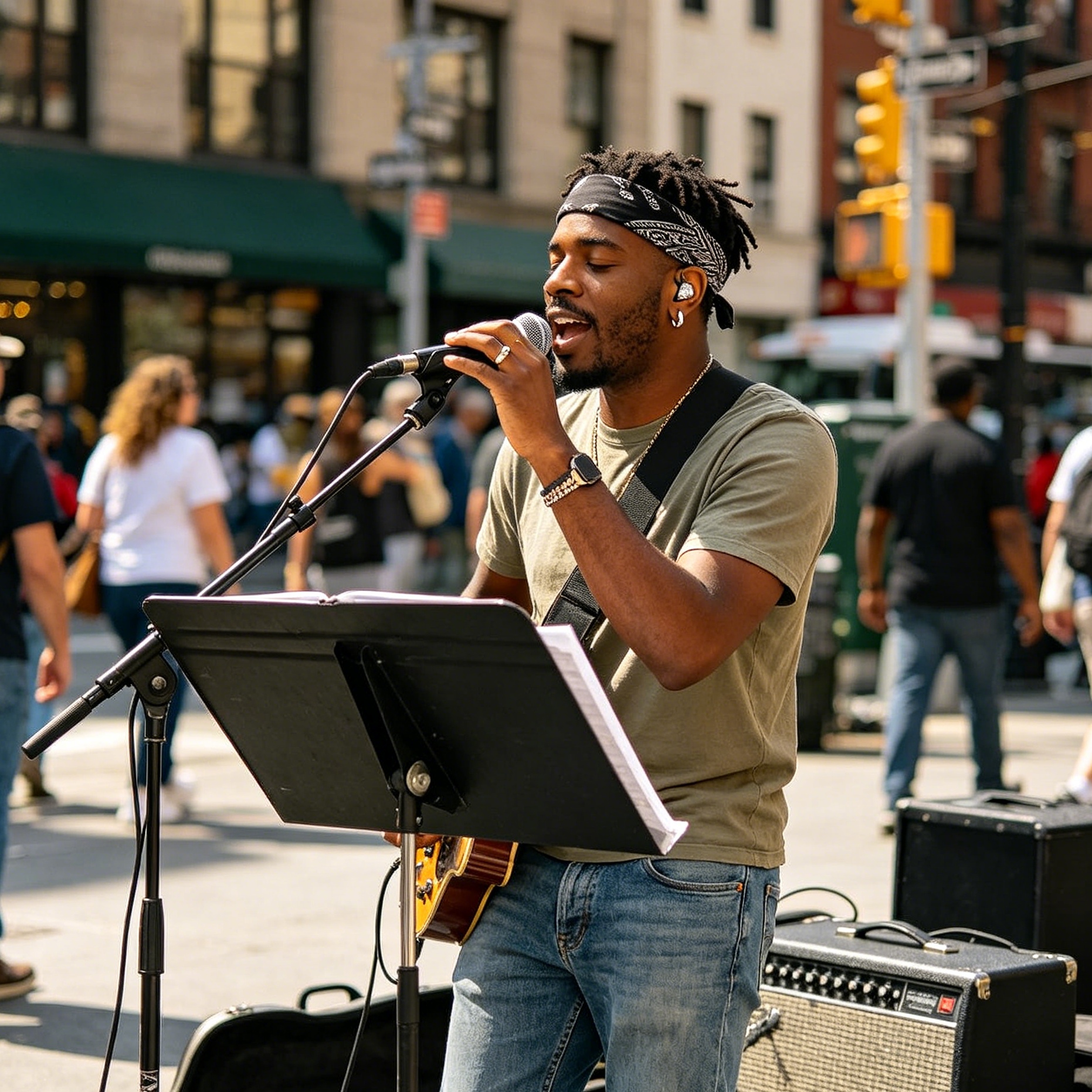
A Google Doodle is a temporary, artistic modification of the logo on the Google homepage. What began as a primitive "out of office" sketch has transformed into a sophisticated medium for digital storytelling, celebrating historical milestones, scientific breakthroughs, cultural icons, and major global events. Over the past quarter-century, Google has produced more than 5,000 Doodles, turning the most visited gateway to the internet into an ever-changing gallery of art and innovation.
The Evolution of the Digital Canvas
The journey of the Google Doodle mirrors the rapid advancement of internet technology itself. Initially, these alterations were simple graphic overlays. Today, they encompass complex programming, artificial intelligence, virtual reality, and massive multiplayer online experiences.
The Original 1998 Burning Man Doodle
The story of the Google Doodle predates the official incorporation of Google Inc. On August 30, 1998, founders Larry Page and Sergey Brin headed to the Burning Man festival in Nevada. They wanted to notify users that they would be "out of office" and unable to fix technical issues if the servers crashed. To communicate this, they placed a simple stick figure behind the second "o" in the Google logo. This humble beginning set the precedent for using the logo as a space for communication and personality.
The Expansion into Series and Global Reach
By the year 2000, the concept evolved from a one-off joke into a strategic cultural tool. The first international Doodle celebrated Bastille Day in France, signaling Google's intent to localize content for different regions. In the same year, the first "Doodle series" was introduced, featuring a story of aliens encountering the logo and dragging it to Mars. This marked the transition from individual images to narrative-driven sequences.
Adding Movement and Sound
Animation first appeared in the 2000 Halloween Doodle, which featured jack-o-lanterns with flashing lights. However, the true technological leap occurred in the early 2010s. In 2010, Google released its first interactive Doodle to celebrate the 30th anniversary of Pac-Man. This was not just an image but a fully playable version of the game embedded within the search bar. It drew an estimated 1 billion players worldwide and proved that the Google homepage could serve as a functional gaming platform.
Subsequent years saw the introduction of live-action video (the Charlie Chaplin 122nd birthday Doodle in 2011) and multimedia experiments involving actual plants grown on rooftops for Earth Day. By 2018, Doodles embraced 360-degree video and Virtual Reality (VR) to honor French filmmaker Georges Méliès, and in 2019, Google launched its first AI-powered Doodle celebrating Johann Sebastian Bach, which used machine learning to harmonize user-created melodies in Bach’s signature style.
Behind the Scenes with the Doodler Team
The creation of these artistic logos is the responsibility of a specialized in-house group known as "Doodlers." This multidisciplinary team consists of illustrators, graphic designers, software engineers, and cultural consultants.
The Creative Process
The brainstorming for a year’s worth of Doodles happens months, and sometimes years, in advance. The team gathers annually to review thousands of suggestions from both internal employees and the public. They follow a strict set of principles to ensure the topics reflect Google’s personality and a love for innovation.
Once a topic is selected, the design phase begins. A Doodle can take anywhere from a few hours to several months to complete. For a static illustration, an artist may work solo. However, for interactive games like the "Doodle Champion Island Games" released for the Tokyo Olympics, the project requires a massive team of engineers to handle backend server loads and animators to create hundreds of individual assets.
Cultural Consultation and Localization
Because Doodles are seen by billions of people across different cultures, Google often collaborates with local experts and guest artists. This ensures that the depictions are culturally accurate and respectful. For example, specific Doodles for Chile National Day or the Lunar New Year are often designed by artists from those regions to capture the authentic spirit of the celebration.
Notable Historical Milestones and Technological Breakthroughs
To understand the impact of Google Doodles, one must look at specific instances where the logo changed the way users interacted with the search engine.
The First Same-Day Doodle
In 2009, when NASA discovered water on the moon, the Doodle team reacted in real-time. Within hours of the announcement, a Doodle was live on the homepage to commemorate the discovery. This established the Google Doodle as a tool for breaking news and immediate cultural relevance.
The Multi-Player Revolution
The 2021 Doodle Champion Island Games represented the largest multiplayer Doodle ever created. It featured a series of sport-themed mini-games, legendary opponents, and side quests. This project moved beyond a simple interactive logo into the territory of a full-scale browser-based RPG (Role-Playing Game), allowing users from all over the world to compete for high scores.
Educational Tools and Science
Google often uses Doodles to teach complex subjects. In recent years, Doodles in the UK have focused on explaining photosynthesis, DNA structure, and the quadratic equation. By turning educational concepts into interactive visual experiences, Google leverages its platform to facilitate learning outside the traditional classroom.
Doodle for Google 2025-2026: The Student Competition
A major pillar of the Doodle program is the annual "Doodle for Google" contest. This competition invites K-12 students in the United States and other participating regions to design their own Google logo based on a specific theme.
The 2025-2026 Theme: "My Superpower Is..."
The theme for the 2025-2026 cycle is "My superpower is...". Students are encouraged to imagine what unique strengths they possess—whether real or imaginary—and incorporate the letters G-O-O-G-L-E into their artistic representation.
Contest Eligibility and Rules
According to the latest educator guidelines, the contest is open to students currently enrolled in grades K-12 at schools based in the U.S., including home schools and U.S. territories.
- Originality: Works must be original and cannot contain third-party logos or trademarks.
- Media: Students can use any 2D media, including paint, markers, digital tools, or even collage, provided it can be scanned.
- AI Policy: For the 2025-2026 contest, AI tools are strictly limited to brainstorming activities and must be guided by a teacher. AI is not permitted for the actual creation of the design.
- Deadlines: For the upcoming cycle, entries are typically accepted starting in mid-October and closing in December (specific dates for 2025: October 15th to December 10th).
Judging and Prizes
Submissions are judged on three criteria:
- Artistic Merit: Based on age-appropriate skill.
- Creativity: How uniquely the student incorporates the Google letters and the theme.
- Theme Communication: How well the 50-word description and the artwork express the "superpower" concept.
Prizes are substantial, often including a $30,000 college scholarship for the national winner, a $50,000 technology package for their school, and Google hardware. The winning artwork is featured on the Google homepage for a full day.
How to Explore Past Doodles
Because Doodles are temporary, many users want to revisit them. Google maintains a comprehensive and searchable Archive. This database allows users to filter Doodles by year, country, and theme. It serves as a digital museum of internet culture, preserving everything from the 1998 Burning Man sketch to the most advanced AI experiments.
Finding Your Favorite Doodle
Users can browse the archive by color or search for specific keywords like "Halloween" or "Women's Day." Many of the interactive games, such as the Les Paul guitar or the Pac-Man game, remain playable within the archive long after they have left the main homepage.
Submitting Ideas
Google remains open to public input. The team receives hundreds of requests daily. While they cannot respond to every email, they encourage people to send proposals for future Doodles to their official proposal address. They specifically look for topics that align with values of inclusivity, innovation, and cultural significance.
Frequently Asked Questions (FAQ)
What was the very first Google Doodle?
The first Doodle was the "Burning Man" logo published on August 30, 1998. It was used as an out-of-office message by the company founders.
Who is the most recurring character in Google Doodles?
The most frequently recurring character is Momo the Cat, who is named after a real-life pet belonging to one of the Doodlers. Momo often appears in Halloween-themed interactive games.
How many Doodles are created every year?
Google creates hundreds of Doodles annually. Often, different Doodles are live in different parts of the world on the same day to celebrate local holidays.
Can I play the interactive Google Doodles after they disappear from the homepage?
Yes, nearly all interactive and animated Doodles are preserved in the official Google Doodle Archive and remain fully functional for users to play.
What is the purpose of a Google Doodle?
The primary goal is to "surprise and delight" users while providing information about significant events, people, or achievements that have shaped the world.
Summary
The Google Doodle has transitioned from a simple internal joke to a sophisticated cultural institution. It serves as a mirror to our collective history, celebrating the diversity of human achievement through a blend of art and technology. Whether through a static tribute to a forgotten scientist or a complex AI-driven musical experience, Doodles continue to transform the mundane act of "searching" into a moment of discovery and inspiration. As the program enters its third decade, the focus remains on empowering the next generation of artists through competitions like Doodle for Google and pushing the boundaries of what is possible on a single web page.
-
Topic: The Story and Evolution of Doodles - Google Doodleshttps://www.google.com/doodles/about
-
Topic: Google Doodles - Google’s Search Logo Changes for Every Occasionhttps://doodles.google/#:~:text=Google%20Doodles%20%2D%20Google's%20Search%20Logo%20Changes%20for%20Every%20Occasion
-
Topic: Educator Guide 2025-2026https://static.googleusercontent.com/media/doodles.google.com.my/en/my/static/pdf/d4g-educator-guide-2025.pdf