Home
Home
How Modern Hotel Wi-Fi Powers the Ultimate in-Room Entertainment Experience

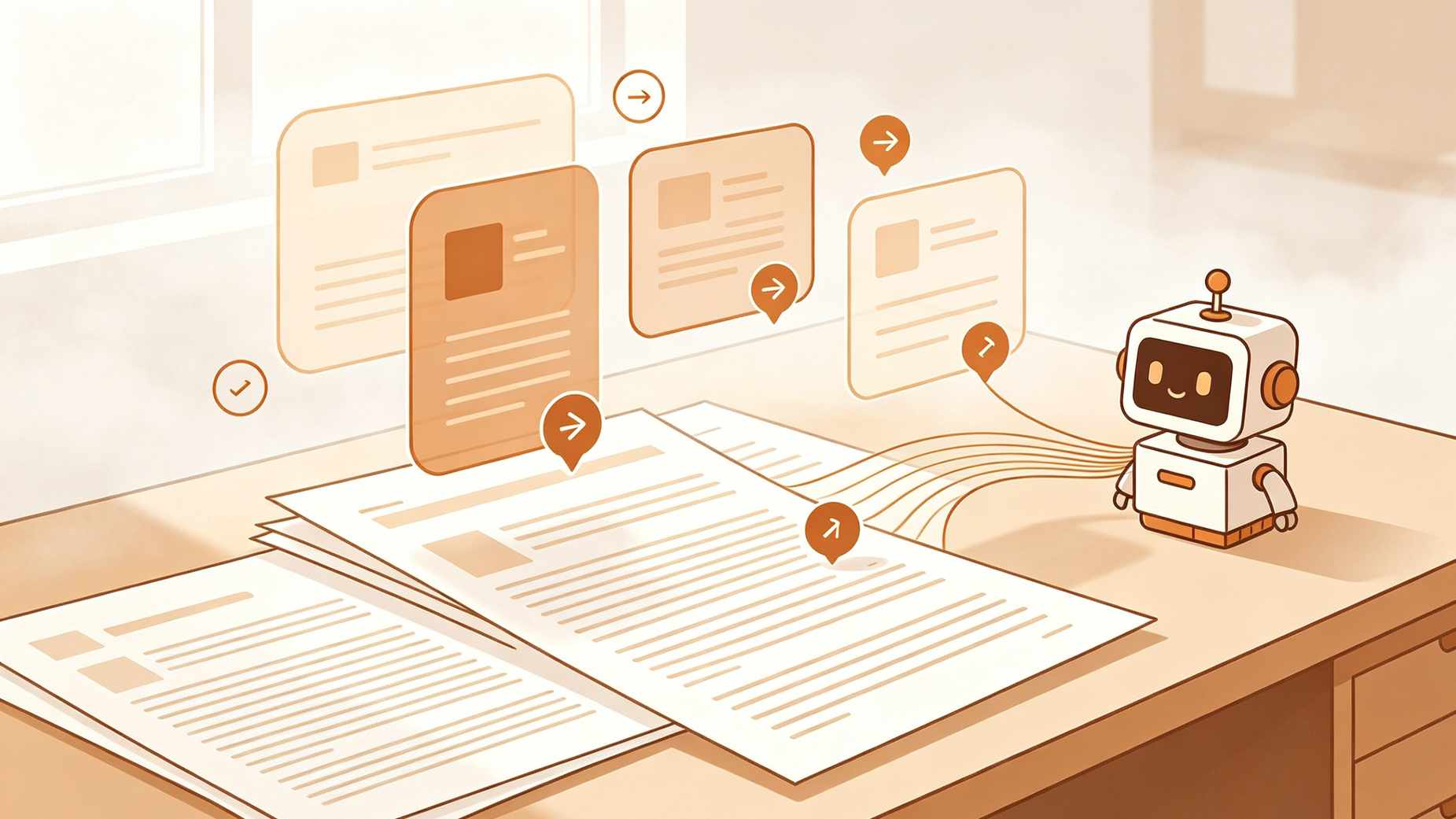
The transition from traditional cable television to a fully integrated digital ecosystem marks a significant shift in the hospitality industry. For decades, hotel entertainment was defined by a limited selection of linear channels and overpriced pay-per-view movies. Today, the expectation has fundamentally changed. Travelers now arrive with a suite of personal devices—smartphones, tablets, and laptops—carrying their own subscriptions to Netflix, Disney+, and Spotify. This shift toward "Bring Your Own Content" (BYOC) has forced hotels to evolve their Wi-Fi infrastructure from a basic utility into a sophisticated backbone that supports high-bandwidth streaming, device casting, and smart room automation.
The Architecture of Modern Hotel Wi-Fi Systems
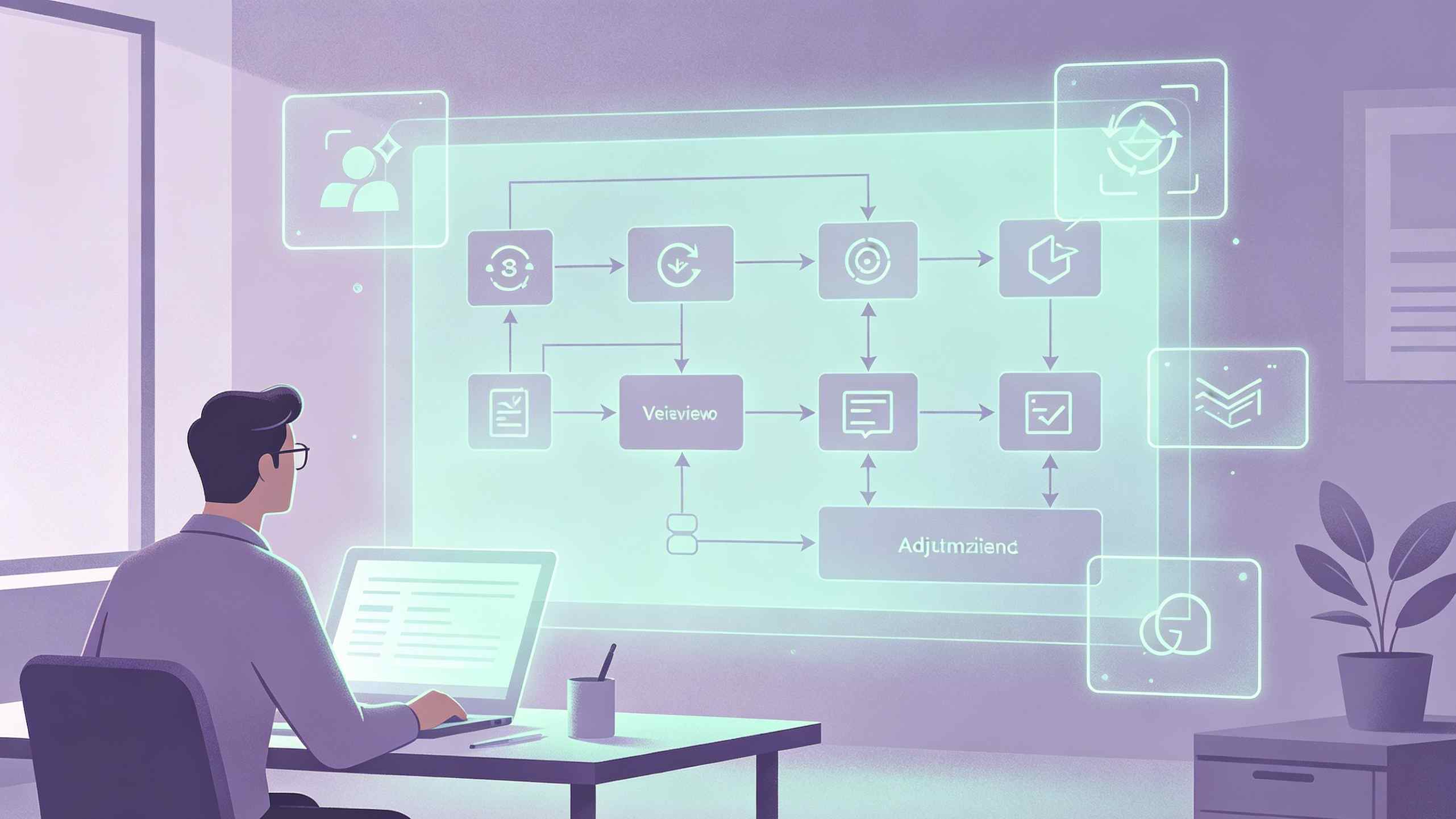
Understanding how hotel entertainment works requires a look at the enterprise-grade infrastructure hidden behind the walls. Unlike a home network where a single router handles all traffic, a hotel network is a complex web of managed hardware designed for density, security, and seamless roaming.
Enterprise-Grade Infrastructure
High-end hotels utilize a network of strategically placed Wireless Access Points (WAPs). These are not standard consumer routers; they are designed to handle dozens of simultaneous high-bandwidth connections within a specific radius. These access points are connected to high-capacity switches, which are managed by a central network controller. This controller ensures that as a guest moves from the lobby to the elevator and finally to their room, their device transitions between access points without dropping the connection—a process known as seamless roaming.
Captive Portals and Authentication
The "front door" of the hotel Wi-Fi experience is the captive portal. This is the branded login page that appears when a guest first connects to the network. Beyond simply collecting a room number or an email address, modern captive portals serve as a gateway to the hotel's digital services. From this portal, hotels can offer tiered internet speeds, present dining menus, or provide links to local attractions. From a technical standpoint, the captive portal interacts with the Property Management System (PMS) to verify that the guest is currently checked in.
The Role of Device Isolation
In a home network, devices can usually "see" each other. While this is convenient for printing or file sharing, it is a significant security risk in a public or hospitality setting. To protect guest privacy, hotels implement device isolation (often through Private VLANs). This ensures that while hundreds of guests are on the same physical network, each room acts as its own private bubble. A guest in Room 302 cannot access the laptop of a guest in Room 305, nor can they accidentally cast their content to the neighbor’s TV.
Key Features of Integrated Entertainment Ecosystems
The modern hotel Wi-Fi network does much more than just provide internet access. It is the engine that drives a variety of in-room entertainment features that aim to mimic the comfort of home.
In-Room Casting and Mirroring
One of the most requested features in modern hospitality is the ability to stream content from a personal device to the large in-room TV. Systems like BeyondTV, Nettify, or Google’s hospitality-specific Chromecast solutions have revolutionized this. Unlike a home Chromecast, which requires all devices to be on the same open network, hotel casting solutions use a secure pairing process. Usually, a guest scans a QR code on the TV screen, which creates a temporary secure link between their phone and that specific TV, bypassing the need for a shared network discovery protocol.
Smart Room Integration (IoT)
The Wi-Fi network is also the communication layer for the Internet of Things (IoT) within the room. Modern "Smart Rooms" allow guests to control lighting, thermostat settings, and motorized curtains through the TV interface or a dedicated mobile app. These commands travel over the Wi-Fi network to a local hub or directly to the smart appliances. This integration extends to service requests; ordering room service or booking a spa treatment via the TV is now a standard feature in luxury properties, all powered by the underlying Wi-Fi connectivity.
Personalized Guest Experience
Advanced hospitality technology platforms use the Wi-Fi login to personalize the stay. When a guest connects, the system can recognize their loyalty status and display a personalized welcome message on the TV. It can also remember preferences from previous stays, such as preferred lighting levels or recently watched streaming apps. This level of personalization increases guest satisfaction and fosters brand loyalty.
Connecting External Streaming Devices
Despite the rise of integrated smart TVs, many travelers still prefer to bring their own streaming sticks, such as a Roku, Amazon Fire Stick, or Apple TV. However, connecting these devices to a hotel network can be notoriously difficult due to the captive portal login.
The Challenge of the Captive Portal
Most streaming sticks do not have a built-in web browser capable of rendering the hotel’s login page. When the device connects to the Wi-Fi, it gets stuck in a "limited connectivity" state because it cannot "click" the "Accept Terms" button on the portal.
Connecting a Roku Device
Roku has introduced a feature called "Hotel & Dorm Connect" to solve this specific problem.
- Plug the Roku into the TV's HDMI port and a power source.
- Go to Settings > Network > Set up connection and select Wireless.
- Choose the hotel's Wi-Fi network.
- Select "I am at a hotel or college dorm."
- The Roku will then display instructions to connect your smartphone to the Roku’s temporary hotspot.
- Once connected, a browser will open on your phone, allowing you to complete the hotel’s captive portal login on behalf of the Roku.
Connecting a Chromecast
Standard consumer Chromecasts are the most difficult to use in hotels because they rely heavily on peer-to-peer communication, which is often blocked by hotel device isolation.
- Method 1: Travel Router. Using a portable travel router allows you to connect the router to the hotel Wi-Fi (using your phone to bypass the portal) and then create your own private Wi-Fi network for your Chromecast and phone to communicate freely.
- Method 2: MAC Address Cloning. Advanced users can clone the MAC address of the Chromecast to their laptop, log in to the hotel Wi-Fi on the laptop, and then disconnect. When the Chromecast connects, the network identifies it as the already-authenticated laptop.
Connecting an Apple TV
Apple TV handles hotel Wi-Fi relatively well if you have an iPhone or iPad nearby.
- Connect the Apple TV to the HDMI port.
- In the network settings, select the hotel Wi-Fi.
- If a captive portal is required, the Apple TV will often prompt you to use your nearby iPhone to complete the login process.
- If this fails, the MAC address cloning method or a travel router remains the most reliable workaround.
Troubleshooting Common Connectivity Issues
Even with the best infrastructure, guests often encounter hurdles when trying to access hotel entertainment.
Forcing the Captive Portal to Appear
Sometimes, a device connects to the Wi-Fi but the login page refuses to load. This usually happens because the device is trying to reach a secure (HTTPS) site, and the portal cannot intercept the encrypted traffic.
- Tip: Navigate to
neverssl.com. This is a plain-text, non-secure website specifically designed to trigger captive portal redirects. - Alternative: Type the router’s default IP address (typically
192.168.1.1or10.0.0.1) into your browser address bar to force the gateway to respond.
Dealing with Slow Speeds and Buffering
Streaming 4K content requires significant bandwidth (at least 25 Mbps). If you experience buffering:
- Peak Hours: Remember that hotel bandwidth is shared. Between 7:00 PM and 11:00 PM, usage peaks as guests return to their rooms.
- Tiered Access: Check if the hotel offers a "Premium" or "High-Speed" tier. Often, the free tier is capped at speeds suitable only for email and basic browsing (e.g., 5 Mbps), while the paid tier unlocks the full potential of the fiber connection.
- Frequency Bands: If your device allows, ensure you are connected to the 5GHz band rather than the 2.4GHz band. 5GHz is faster and less susceptible to interference from other guests' devices and microwaves.
Security and Privacy Considerations
Using a hotel Wi-Fi network for entertainment involves certain risks that guests should be aware of.
The Necessity of a VPN
While modern hotel networks use isolation to prevent guests from attacking each other, the traffic between your device and the access point could still be monitored by the network administrator or intercepted if the network is not properly configured. For activities involving sensitive data—such as logging into your Netflix or Amazon account—using a Virtual Private Network (VPN) is highly recommended. A VPN creates an encrypted tunnel for your data, ensuring that even if the network is compromised, your login credentials remain secure.
Privacy in the Age of Smart Rooms
As rooms become "smarter," they collect more data. A smart TV might track which apps you use or how long you watch certain content. While hotels generally use this data in aggregate to improve services, privacy-conscious travelers should consider logging out of all apps before checking out. Many modern hotel entertainment systems (like those from LG or Samsung) are designed to automatically wipe all guest credentials and browsing history upon checkout in the PMS, but a manual logout provides an extra layer of assurance.
Physical Security of Ports
When plugging your own devices into the hotel TV, be mindful of the physical hardware. Avoid using "USB Power" ports on the TV to power your streaming sticks if possible; use a wall outlet instead. Some TVs have restricted power output on USB ports, which can lead to device instability or frequent restarts during high-load streaming.
The Future of Hotel Entertainment
The next frontier for hotel entertainment lies in Wi-Fi 6E and Wi-Fi 7, along with the integration of 5G cellular networks.
High-Density Connectivity
Wi-Fi 6E introduces the 6GHz band, which provides a massive amount of "clean" spectrum. In a hotel environment where hundreds of devices are competing for airwaves, this will virtually eliminate interference and allow for seamless 8K streaming and lag-free cloud gaming.
5G as a Competitor and Collaborator
As 5G becomes more prevalent, some guests may opt to use their own cellular hotspots instead of hotel Wi-Fi. In response, hotels are beginning to implement "Cellular Over Wi-Fi" (Passpoint) technology, which allows a guest’s phone to automatically and securely connect to the hotel Wi-Fi using their SIM card credentials, treating the hotel network as an extension of their cellular carrier’s network.
Conclusion
Hotel Wi-Fi entertainment has evolved from a simple internet connection into a sophisticated, guest-centric digital ecosystem. By understanding the underlying infrastructure—from enterprise access points to device isolation—and mastering the nuances of captive portals, travelers can significantly enhance their in-room experience. Whether it is through seamless casting of their favorite shows or utilizing smart room features, the goal of modern hospitality technology is to bridge the gap between the hotel room and the living room. As we look forward to Wi-Fi 7 and deeper IoT integration, the "home-away-from-home" experience will only become more immersive and personalized.
Summary of Key Insights
- Integrated Ecosystems: Modern hotels use Wi-Fi as a backbone for casting, IoT room controls, and personalized services.
- Infrastructure Matters: Enterprise-grade APs and device isolation ensure that guest networks are stable and private.
- BYOC is King: The ability to cast personal content (Netflix, YouTube) is now a primary guest expectation.
- Connectivity Workarounds: Using
neverssl.comor travel routers can solve most captive portal and device connection issues. - Security First: Always use a VPN when accessing personal accounts on shared hotel networks to protect data privacy.
Frequently Asked Questions (FAQ)
1. Why won't my Netflix cast to the hotel TV?
This is usually due to device isolation or a lack of a specialized hospitality casting solution. Hotels must have a system like Chromecast for Hospitality to allow secure pairing. If the hotel only has a standard smart TV, you may need to log in to the app directly on the TV or use an HDMI cable from your laptop.
2. Can I use a travel router on hotel Wi-Fi?
Yes, and it is often recommended for power users. A travel router allows you to bypass the device limit often imposed by hotels and provides a private network where your devices (like a Chromecast) can communicate with each other without being blocked by hotel security settings.
3. Is it safe to enter my Netflix password on a hotel TV?
If the hotel uses a reputable hospitality platform (like Enseo or Sonifi), the system is designed to wipe your credentials upon checkout. However, for maximum security, always manually log out before leaving, or better yet, use a casting method where your password remains only on your phone.
4. How can I get faster Wi-Fi in my room?
If the signal is weak, try moving your device closer to the door, as access points are often located in the hallways. If speed is the issue, check if the hotel offers a premium tier. Using the 5GHz band rather than 2.4GHz can also provide a significant boost in speed and reduce interference.
5. Why does the Wi-Fi login page not pop up?
Your device's browser might be blocking the redirect or trying to reach an encrypted site. Try visiting neverssl.com or 192.168.1.1 to force the captive portal to appear. Turning Wi-Fi off and back on or "forgetting" the network and reconnecting can also trigger the portal.
-
Topic: Unlocking The Potential Of Your Hotel Room Tv: A Step-By-Step Guide - Popadohttps://popado.net/unlocking-the-potential-of-your-hotel-room-tv-a-step-by-step-guide/
-
Topic: Hospitality Technology: Hotel Wi-Fi, IPTV, Casting | Nettifyhttps://nettify.com/
-
Topic: How to Connect Chromecast, Roku, and Apple TV to Hotel WiFi Guidehttps://www.blueprintrf.com/connect-chomecast-roku-apple-tv-hotel-wifi/