Home
Home
How to Define Business Objectives That Drive Real Results

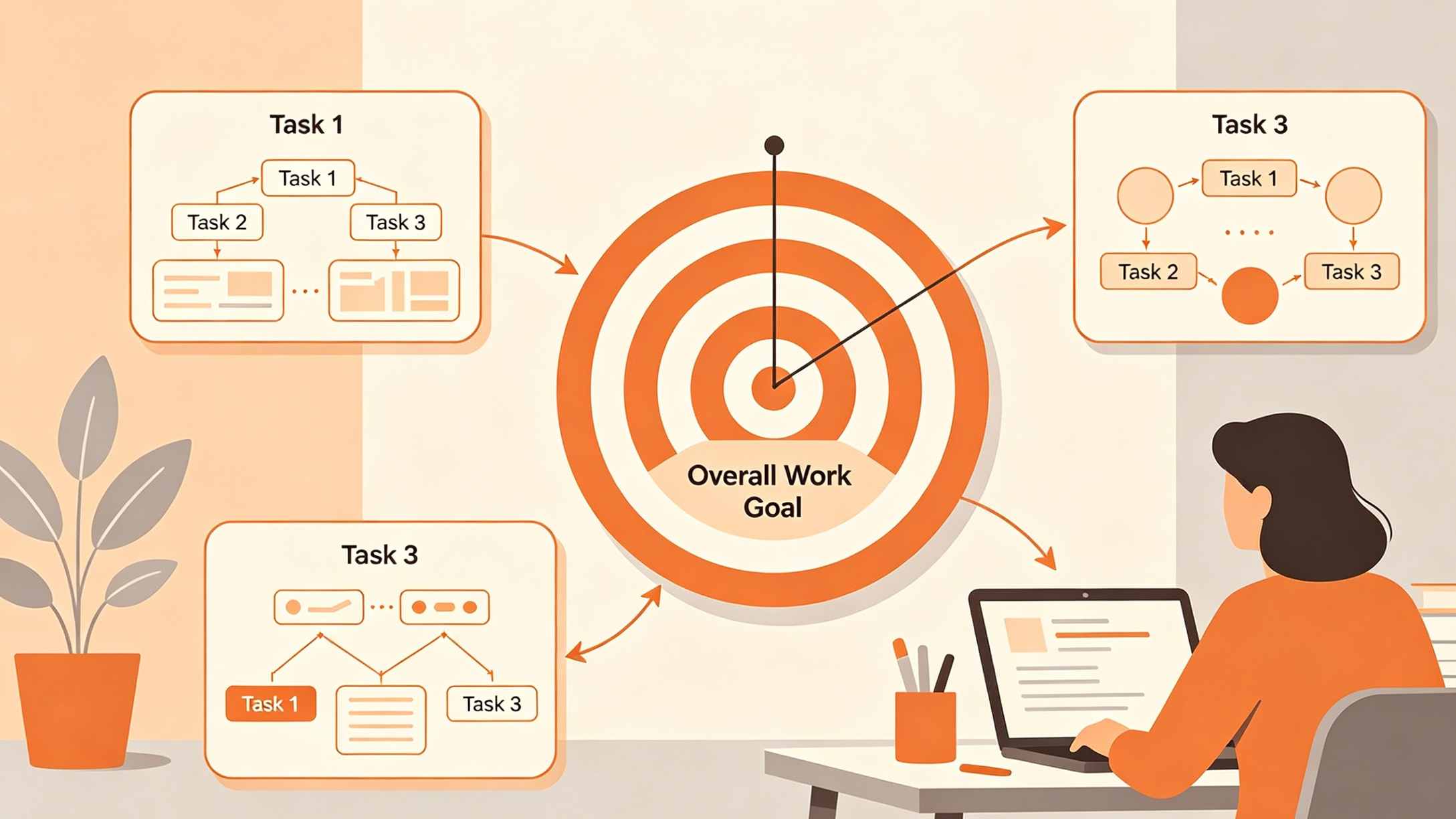
Business objectives serve as the precise navigation system for any organization, converting broad corporate visions into actionable, time-sensitive milestones. Without clearly defined objectives, a business risks drifting through market fluctuations without a sense of purpose or a metric for success. In the modern commercial landscape, defining objectives is not merely an administrative task; it is a strategic imperative that determines how resources are allocated, how performance is managed, and how competitive advantages are sustained.
The Fundamental Definition of Business Objectives
A business objective is a specific, measurable, and time-bound result that an organization seeks to achieve to fulfill its broader mission. While the terms "goal" and "objective" are often used interchangeably in casual conversation, they represent distinct concepts in professional management.
Distinguishing Goals from Objectives
Understanding the hierarchy of strategic intent requires a clear distinction between these two terms.
- Business Goals: These are broad, qualitative, and long-term aspirations. A goal describes a desired future state. For example, a company might have a goal to "become the most trusted provider of sustainable energy solutions in North America." While inspiring, this statement does not provide the specific steps required to get there.
- Business Objectives: These are the concrete building blocks used to reach those goals. They are quantitative and short-to-mid-term. Using the previous example, a corresponding objective would be to "increase the market share of residential solar panels by 12% by the end of the next fiscal year."
Objectives translate the "what" and the "why" of a goal into the "how much" and the "by when." They provide the clarity necessary for teams to execute daily tasks that contribute to the organization's long-term survival and prosperity.
The Anatomy of Effective Objectives: The SMART Framework
To ensure that objectives move beyond mere wishful thinking, management experts rely on the SMART framework. This methodology filters out vague intentions and replaces them with rigorous standards.
Specific: Clarity Above All
An objective must be clear and unambiguous. Vague statements like "improve customer service" fail because they do not define what improvement looks like. A specific objective identifies exactly what needs to be changed, who is responsible, and what the scope of the action is. In our analysis of high-performing firms, specificity reduces internal friction by aligning all stakeholders under a single, unarguable interpretation of success.
Measurable: The Role of Data
If a result cannot be measured, it cannot be managed. Measurable objectives include Key Performance Indicators (KPIs) or metrics that track progress. This might involve revenue figures, percentage increases, customer satisfaction scores (NPS), or production units. Measuring progress allows leadership to make data-driven adjustments mid-cycle rather than waiting until the deadline to discover a shortfall.
Achievable: The Balance of Ambition and Reality
Objectives should stretch the organization's capabilities but remain within the realm of possibility. Setting impossible targets leads to employee burnout and a culture of cynicism. An achievable objective considers available resources, current market conditions, and historical performance data. For instance, a startup with limited capital would find it unachievable to "capture 50% of the global market in six months," whereas a 5% local market penetration might be a realistic stretch.
Relevant: Strategic Alignment
Every objective must support the company’s overarching strategy and mission. If an objective does not contribute to the primary goals of the organization, it represents a waste of resources. Relevancy ensures that the marketing team, the operations department, and the finance office are all pulling in the same direction. In the current era of corporate social responsibility (CSR), relevance also extends to how an objective fits within the company’s ethical and environmental standards.
Time-bound: The Necessity of Deadlines
A sense of urgency is vital for execution. Every objective needs a clear start and end date. Deadlines prevent daily operational tasks from overshadowing strategic priorities. Whether it is a quarterly target or a year-long project, the time-bound element creates a rhythm for reporting and evaluation.
The Organizational Hierarchy of Objectives
Objectives are not limited to the executive boardroom; they must permeate every level of the company. A well-structured organization utilizes a three-tier hierarchy to ensure top-down alignment.
Strategic Objectives
Set by top-level management, these objectives focus on the long-term health and direction of the entire organization. They typically cover periods of three to five years. Strategic objectives often deal with market expansion, mergers and acquisitions, long-term profitability, and brand positioning. They provide the "big picture" framework for everything else that happens within the company.
Tactical Objectives
Middle management takes the strategic objectives and breaks them down into departmental targets. Tactical objectives usually have a timeframe of six months to one year. For example, if the strategic objective is to increase total revenue, the tactical objective for the sales department might be to implement a new CRM system to increase lead conversion rates by 15%.
Operational Objectives
These are the short-term targets set by front-line managers and team leaders. They focus on the day-to-day activities that keep the business running. Operational objectives might include daily production quotas, weekly sales calls, or monthly quality control audits. When operational objectives are met consistently, they naturally roll up to satisfy tactical and strategic goals.
Major Categories of Business Objectives
A balanced business strategy addresses multiple dimensions of performance. Relying solely on one type of objective—such as profit—can lead to long-term instability.
Economic and Financial Objectives
Financial health is the prerequisite for all other activities. Economic objectives focus on:
- Profitability: Increasing the net profit margin through revenue growth or cost reduction.
- Survival: Especially critical for startups, focusing on cash flow management to ensure the business can cover its short-term liabilities.
- Efficiency: Optimizing the use of resources (men, money, and machines) to minimize waste and maximize output.
- Market Share: Expanding the company’s footprint relative to its competitors.
Social and Environmental Objectives
Modern organizations are increasingly judged by their impact on society. Social objectives include:
- Customer Welfare: Providing high-quality, safe products at fair prices.
- Environmental Sustainability: Reducing the carbon footprint, minimizing plastic waste, or sourcing materials ethically.
- Community Support: Engaging in local development projects or charitable contributions that enhance the business's social license to operate.
Human and Employee-Centric Objectives
The workforce is an organization's most valuable asset. Human objectives focus on:
- Employee Development: Implementing training programs to enhance skills and career progression.
- Retention and Satisfaction: Reducing turnover rates by improving workplace culture and providing competitive benefits.
- Safety and Well-being: Ensuring a work environment that protects the physical and mental health of all staff members.
National and Global Objectives
For larger enterprises, objectives may align with macroeconomic goals.
- Employment Creation: Contributing to the national economy by providing jobs and vocational training.
- Innovation: Developing new technologies that improve the nation's industrial competitiveness.
- Export Growth: Helping the country achieve a favorable balance of trade by expanding international operations.
Why Objectives Are Essential for Organizational Success
Setting objectives is more than a planning exercise; it is a fundamental driver of performance.
Providing Clear Direction
Without objectives, employees are often confused about their priorities. Clear objectives act as a North Star, ensuring that every hour worked and every dollar spent moves the company closer to its desired future. This clarity is especially important in remote or hybrid work environments where direct supervision is less frequent.
Enabling Accountability and Evaluation
Objectives provide the benchmarks against which performance is measured. When a team fails to meet an objective, it provides an opportunity for a post-mortem analysis: Was the objective unrealistic? Did the execution fail? Were the resources insufficient? Without these benchmarks, "success" becomes a subjective opinion rather than a verifiable fact.
Facilitating Decision Making
In a fast-paced business environment, managers are constantly bombarded with new opportunities and projects. Objectives serve as a filter. If a proposed initiative does not directly contribute to a defined objective, it should likely be declined or postponed. This prevents "initiative fatigue" and keeps the organization focused on its core priorities.
Motivating Stakeholders
Tangible targets are inherently motivating. Reaching a milestone provides a sense of achievement for employees and builds confidence among investors and shareholders. It demonstrates that the leadership has a structured, competent plan for growth.
The Step-by-Step Process for Creating Strategic Objectives
Defining objectives is a cyclical process that requires collaboration and data analysis.
1. Analyze the Current State
Before looking forward, a business must understand where it stands. This involves a SWOT analysis (Strengths, Weaknesses, Opportunities, Threats) and a review of past performance. Data on market trends, competitor behavior, and internal resource availability is gathered to ground the objectives in reality.
2. Select High-Level Goals
Identify the three to five broad goals that will define the next phase of the company's growth. These should be derived from the company’s mission statement.
3. Cascade Objectives Downward
Translate each high-level goal into specific objectives for different departments. For example, a goal to "enhance digital presence" would result in different objectives for the IT department (website uptime and security) and the marketing department (social media engagement and SEO rankings).
4. Collaborate with Stakeholders
Objectives should not be dictated solely from the top. Engaging with the employees who will be responsible for executing the tasks ensures that the objectives are realistic and that there is "buy-in" from the ground up. Workers who help set their own targets are statistically more likely to achieve them.
5. Document and Communicate
Objectives must be written down and made accessible to everyone involved. They should be featured in internal dashboards, department meetings, and annual reports. Continuous communication keeps the targets top-of-mind.
6. Monitor, Review, and Adjust
The business environment is dynamic. Objectives should be reviewed regularly—at least quarterly. If a major market shift occurs (such as a new competitor entry or a regulatory change), the objectives may need to be adjusted. The goal is not to be rigid, but to be effective.
Common Challenges and Solutions in Objective Setting
Even with a clear framework, organizations often face hurdles in defining and achieving their objectives.
Over-Emphasis on Short-Term Results
Many businesses fall into the trap of "quarterly capitalism," where long-term health is sacrificed for immediate financial gains.
- Solution: Implement a Balanced Scorecard approach that gives equal weight to financial, customer, internal process, and learning/growth objectives.
Lack of Vertical Alignment
When operational objectives do not support strategic goals, the organization suffers from "siloed" thinking.
- Solution: Use a cascading planning process where each lower-level manager must demonstrate how their objectives link to the level above them.
Data Overload
In the age of Big Data, it is easy to set too many objectives, leading to paralysis.
- Solution: Focus on the "Vital Few." An organization should rarely have more than five strategic objectives at any one time to ensure concentrated effort.
Resistance to Change
Employees may view new objectives as a threat to their current routines or job security.
- Solution: Link objective achievement to incentive programs and recognition. Show employees how the success of the company directly benefits their own career path.
The Role of Innovation in Objective Setting
In a rapidly evolving economy, objectives must also account for innovation. Companies that only set objectives based on "doing what we already do, but better" are often disrupted by more agile competitors. Effective objective setting includes "Organic Objectives" that focus on research and development, entering new product categories, and fostering a culture of experimentation.
By setting an objective to "generate 20% of revenue from products launched in the last three years," a company forces itself to prioritize innovation rather than just maintenance.
Summary
Defining objectives in business is the critical process of transforming abstract aspirations into a roadmap for tangible success. By utilizing the SMART framework and ensuring vertical alignment from the executive suite to the front line, organizations can create a culture of clarity, accountability, and purpose. Whether focusing on financial growth, social impact, or employee well-being, well-defined objectives ensure that every resource is utilized efficiently. In an era of constant change, the ability to set, track, and adapt these objectives remains the ultimate competitive advantage.
FAQ
What is the most important part of a business objective?
While all elements of the SMART framework are vital, measurability is often considered the most critical. Without a way to quantify progress, an objective remains a statement of intent rather than a tool for management.
How many objectives should a business have?
At a strategic level, a business should focus on 3 to 5 core objectives. Having too many dilutes focus and makes it difficult for employees to know what to prioritize.
Can objectives be changed once they are set?
Yes. Objectives are not set in stone. While they should provide stability, they must be flexible enough to respond to significant external changes, such as economic downturns or technological breakthroughs.
What is the difference between a tactical and a strategic objective?
Strategic objectives are broad and long-term (3-5 years), set by top leadership. Tactical objectives are specific to departments and medium-term (6 months to 1 year), designed to implement the strategic vision.
Why do some business objectives fail?
Failure usually stems from a lack of clarity (poorly defined SMART criteria), insufficient resources, lack of employee buy-in, or a failure to monitor progress and make necessary adjustments during the implementation phase.
-
Topic: Lesson 3 Objectives of Businesshttps://nios.ac.in/media/documents/Secbuscour/cc03.pdf
-
Topic: 22 Business Objectives Examples to Measure Success [2026] • Asanahttps://asana.com/resources/business-objectives-examples
-
Topic: Business Objective | Purpose, Types & Examples - Lesson | Study.comhttps://study.com/academy/lesson/business-objectives-definition-purpose-types.html