Home
Home
How to Mix Every Shade of Brown Using Primary and Complementary Colors
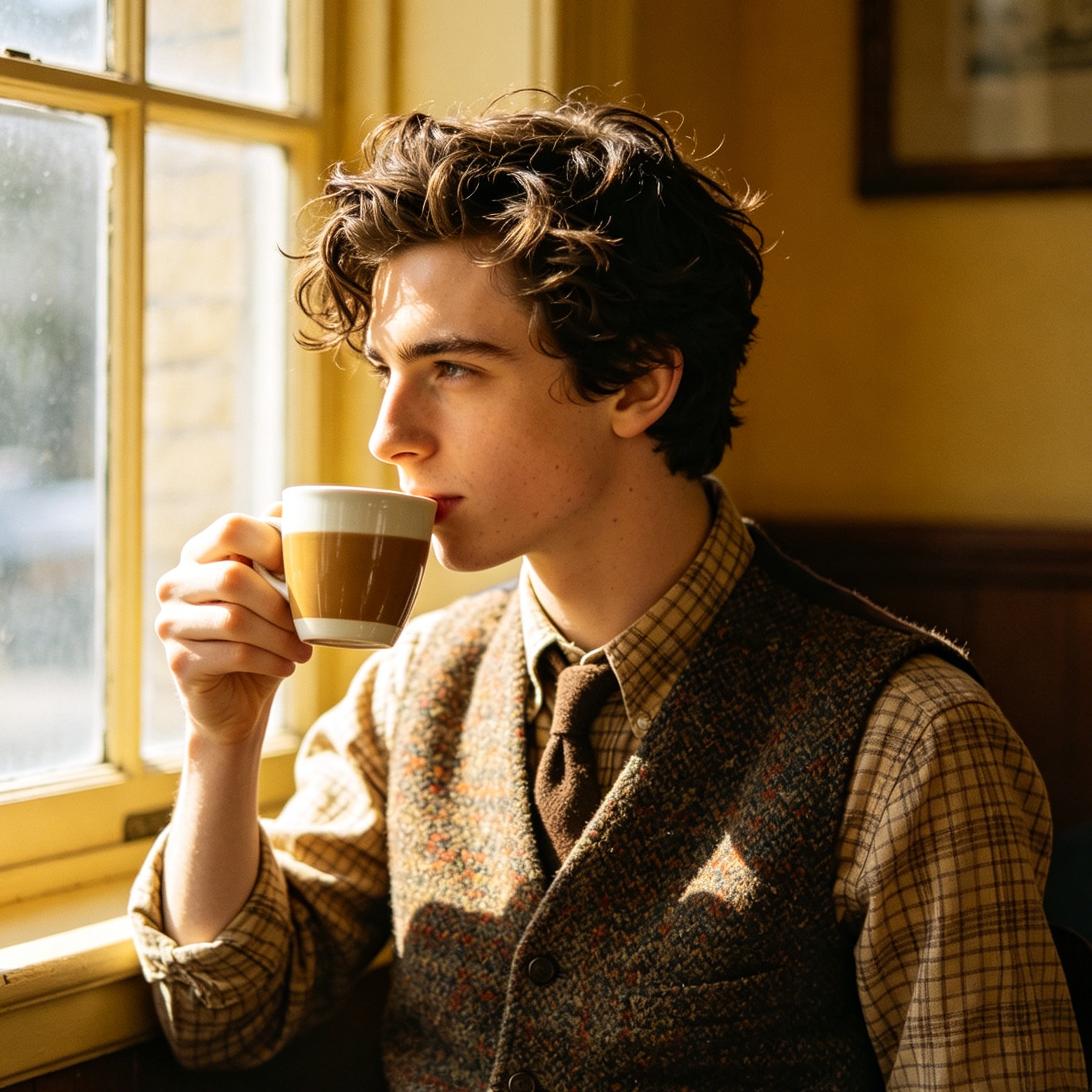
To make brown paint, the most straightforward method is to combine the three primary colors: red, yellow, and blue. Alternatively, you can mix any pair of complementary colors, such as blue and orange, red and green, or yellow and purple. Because brown is technically a dark, desaturated shade of orange, achieving the perfect tone requires balancing the warmth of red and yellow against the cooling effect of blue.
The Core Formulas for Mixing Brown
If you are standing at your palette and need a basic brown immediately, use these three foundational approaches:
- The Primary Triad: Mix equal parts of Red, Yellow, and Blue. This creates a neutral, dark brown.
- The Complementary Pair: Combine Orange (Red + Yellow) with Blue. This is often the fastest way to get a rich, deep brown.
- The Earthy Pair: Mix Green (Blue + Yellow) with Red. This typically results in a warmer, rust-like brown.
In professional studio practice, the "perfect" brown is rarely a single recipe. It is a result of understanding how different pigments interact. Whether you are painting a realistic landscape, a portrait, or refreshing a room's interior, the nuances of brown depend on the ratios and the specific "undertones" of your starting colors.
Understanding Brown Through Color Theory
In the world of subtractive color (paint, ink, and dye), brown is what happens when you neutralize the intensity of a warm hue. On the color wheel, brown does not have its own dedicated slot. Instead, scientists and artists define brown as a low-intensity version of orange or red-orange.
When you mix all three primary colors, you are essentially covering the entire visible spectrum. Red and yellow create warmth, while blue provides the "coolness" that kills the vibration of the bright orange, pulling the color toward the center of the color wheel—where neutrals live.
Why Is My Brown Always Muddy?
A common frustration for beginners is ending up with "mud." Mud occurs when too many different pigments are mixed together, or when the colors used have conflicting undertones. For example, mixing a "cool" red (like Alizarin Crimson) with a "warm" yellow (like Cadmium Yellow) and a "cool" blue (like Cerulean) can lead to a dull, grayish mess rather than a vibrant, earthy brown. To avoid this, try to limit your mix to three specific pigments whenever possible.
Method 1: The Three-Primary Mix
Mixing red, yellow, and blue gives you the most control over the final outcome. By shifting the ratios, you can create an infinite spectrum of browns.
The Balanced Neutral Brown
Start by mixing equal parts of Red and Yellow to create a vibrant Orange. Gradually add Blue in small increments. Because blue is a strong pigment, a small amount goes a long way. The result will be a classic, dark chocolate brown.
Adjusting Temperature
- For a Warm Brown (Burnt Sienna type): Increase the ratio of Red and Yellow. Warm browns are ideal for painting wood, sunlight on soil, or warm skin tones.
- For a Cool Brown (Raw Umber type): Increase the ratio of Blue. Cool browns have a slightly greenish or grayish undertone and are perfect for shadows, distant trees, or concrete.
Adjusting Value (Lightness)
- Lightening Brown: Adding White paint creates "tints." This will turn your brown into tan, beige, or latte colors. Note that adding white also makes the color more opaque and slightly cooler.
- Darkening Brown: To make a brown deeper (like Espresso), avoid adding pure Black paint immediately, as it can make the color look "dead" or flat. Instead, add more Blue or a dark Red (like Alizarin Crimson).
Method 2: The Complementary Color Shortcuts
Using complementary colors—colors opposite each other on the color wheel—is the secret to creating sophisticated, "alive" browns that have depth.
Blue + Orange = Classic Brown
Since Orange is a mix of Red and Yellow, adding Blue completes the primary triad. This combination is highly effective because you can start with a bright orange and slowly "tarnish" it with blue until it reaches the desired earthy tone.
- Pro Tip: Use Ultramarine Blue and Cadmium Orange for a very deep, traditional brown.
Red + Green = Reddish Brown
Mixing a bright Green (Blue + Yellow) with Red creates a brown with a heavy red undertone, similar to mahogany or terracotta. If the green is more yellow (like Lime Green), the resulting brown will be warmer and more olive-toned.
Yellow + Purple = Golden Brown
Purple (Red + Blue) mixed with Yellow creates a brown that feels golden or mustard-like. This is the preferred method for painting golden hair, wheat fields, or aged parchment.
Specific Brown Recipes for Various Applications
To achieve specific, recognizable shades of brown, follow these targeted mixing ratios:
1. How to Mix Tan and Beige
These are "tints" of brown.
- Base: Start with a large amount of White paint.
- Add: A tiny dab of basic brown (Red+Yellow+Blue).
- Fine-tune: Add more Yellow for a sandy tan, or a touch more Red for a "blush" beige.
2. How to Mix Chocolate Brown
- Base: Equal parts Red and Yellow (Orange).
- Add: Blue until the color turns dark.
- Secret: Add a tiny bit of Red at the end to give it that rich, cocoa warmth.
3. How to Mix Terracotta or Rust
- Base: A heavy amount of Red.
- Add: A medium amount of Yellow to get a deep Orange.
- Add: A very small amount of Blue or Green to "dirty" the orange into a clay-like rust color.
4. How to Mix Espresso or Dark Walnut
- Base: Start with a dark Blue (like Ultramarine).
- Add: Red and Yellow in smaller amounts.
- Adjustment: If you need it even darker, add a tiny touch of Black, but be careful not to lose the "hue" of the brown.
5. How to Mix Raw Umber (Greenish Brown)
- Base: Yellow and Blue (Green).
- Add: Red sparingly.
- Result: A cool, muddy brown that is essential for landscape shadows.
Considerations for Different Paint Mediums
The physical properties of your paint affect how the colors blend and how they look once they are on the canvas.
Acrylic Paint
Acrylics are plastic-based and tend to dry about 10-20% darker than they appear when wet. When mixing a light brown or beige, always mix it one shade lighter than you actually want it to be. Because acrylics dry fast, use a palette knife for mixing to avoid wasting paint stuck in brush bristles.
Oil Paint
Oil is perhaps the best medium for mixing brown because it has a long "open time," allowing you to tweak the ratios for hours. Oil paint also stays "true to color," meaning it won't shift in value when it dries. You can create beautiful glazes of brown by thinning the paint with linseed oil, allowing the lower layers of color to shine through.
Watercolor
In watercolor, you rarely use white paint to lighten a color. Instead, you add more water to let the white of the paper show through. To create a deep brown in watercolor, you often layer or "glaze." For instance, you might lay down a wash of yellow, let it dry, and then put a thin wash of purple over it to create a luminous, transparent brown.
Professional Troubleshooting: Common Mixing Mistakes
| The Problem | The Likely Cause | The Fix |
|---|---|---|
| Brown looks too gray or "dead" | Too much Blue or too much Black. | Add more Red and Yellow (Orange) to bring back the warmth. |
| Brown looks like a dark Purple | Too much Blue and Red, not enough Yellow. | Add Yellow in small increments until the purple disappears. |
| Brown looks like an Olive Green | Too much Yellow and Blue, not enough Red. | Add Red to neutralize the green. |
| Brown looks like Brick/Red | Too much Red. | Add a tiny bit of its complement, Green (or Blue+Yellow). |
Historical Pigments: The Natural Way to Get Brown
Before modern synthetic paints, artists used "earth pigments." If you want to achieve professional results, look for these specific names on paint tubes, as they provide a shortcut to mixing:
- Raw Sienna: A natural yellow-brown earth pigment.
- Burnt Sienna: Sienna that has been heated (calcined) to turn it into a rich, reddish-brown.
- Raw Umber: A natural brown earth pigment with a cool, greenish undertone.
- Burnt Umber: A darker, warmer version of Raw Umber.
- Yellow Ochre: A staple for any artist, this is a warm, mustardy earth color that is the base for many tan and skin tones.
Summary
Mixing brown paint is a balancing act between the three primary colors. By mastering the relationship between red, yellow, and blue, or by utilizing the power of complementary pairs like blue and orange, you can move away from "pre-mixed" tubes and create custom, vibrant neutrals. Remember that brown is simply a desaturated version of orange; keep it warm with red and yellow, or cool it down with blue to suit the specific needs of your project.
FAQ: Frequently Asked Questions about Mixing Brown
What two colors make brown?
The most common two-color combination is Blue and Orange. Other pairs include Red and Green or Yellow and Purple. Each pair works because it contains all three primary colors (for example, Orange is Red + Yellow, so adding Blue completes the set).
How do I make brown without blue paint?
Since brown requires all three primaries, you cannot make a true brown without blue being present in some form. However, if you don't have a "Blue" tube, look for a very cool Black (which often has blue undertones) or a dark Green (which contains blue) to mix with Red.
Is brown a primary color?
No, brown is a composite color (often called a tertiary or quaternary color depending on the mix). It is created by mixing the three primary colors together in various proportions.
How do I make "Chocolate Brown" specifically?
Mix a bright orange (equal red and yellow) and then add blue until it darkens. To give it the "chocolate" feel, lean slightly more into the Red than the Blue to maintain a warm, appetizing tone.
Why does my brown look like mud?
This usually happens when you use too many different colors or colors with "dirty" undertones. To keep your brown "clean," stick to mixing just three specific pigments or two complementary colors rather than throwing every leftover color on your palette into the mix.
-
Topic: Brown - Wikipediahttps://en.wikipedia.org/wiki/Pullman_brown
-
Topic: What Colors Make Brown? How to Create Custom Brown Painthttps://www.bhg.com/decorating/color/paint/which-colors-make-brown/#:~:text=The%20general%20rule%20for%20how,yellow%2C%20or%20blue%20you%20use.
-
Topic: How to Mix Brown Color — Paint Ratios, Video & Interactive Mixerhttps://trycolors.com/learn/how-to-mix-brown