Home
Home
How to Seamlessly Sync Asana Tasks With Google Calendar for Maximum Productivity

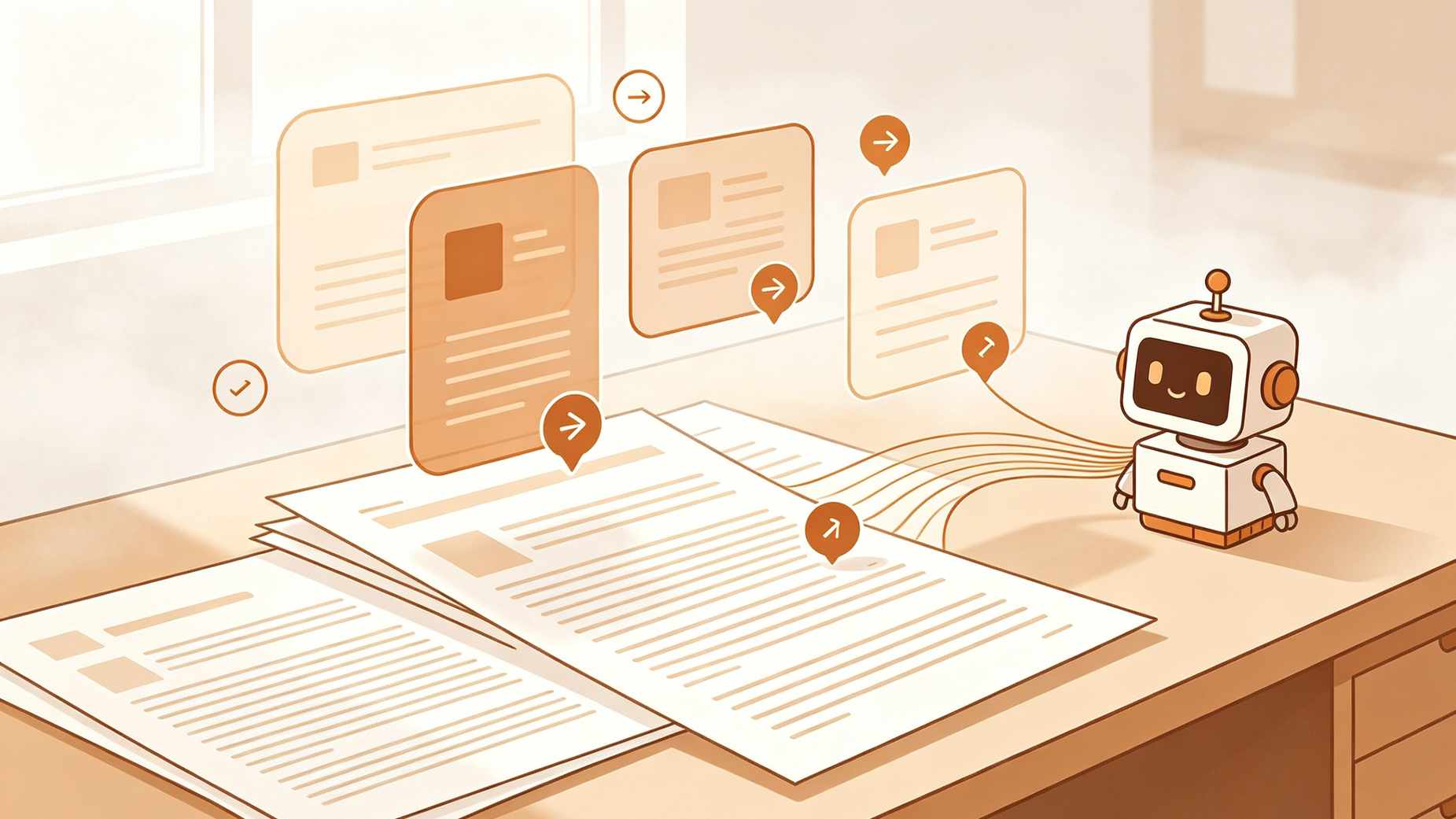
Managing high-stakes projects requires a delicate balance between a structured task list and a realistic schedule. When tasks live in Asana and appointments live in Google Calendar, the cognitive load of switching between these two environments often leads to missed deadlines or over-committed days. Integrating Asana with Google Calendar bridges this gap, turning a static list of "what needs to be done" into a dynamic plan of "when it will get done."
There are several ways to connect these platforms, ranging from a simple read-only feed to complex, AI-driven bidirectional synchronizations. Choosing the right method depends on whether you are an individual contributor looking for basic visibility or a project manager coordinating a global team's schedule.
Understanding the Difference Between Syncing and Integrating
Before diving into the setup, it is essential to distinguish between the two primary technical approaches: the iCal synchronization and the official App integration.
The iCal sync is a one-way communication channel. Asana generates a unique URL that Google Calendar "subscribes" to. This method is primarily used for visibility; you can see your tasks on your calendar, but you cannot interact with them. If you move a task on your calendar, nothing happens in Asana.
The App integration, specifically through the "Asana for Google Calendar" app, uses APIs to create a more functional relationship. This allows for automation, such as creating a calendar event whenever a task moves into a specific project section. This is less about "viewing" and more about "acting."
Method 1: The Native One-Way Sync via iCal
This is the most accessible method for users who want to see their Asana "My Tasks" or a specific project alongside their personal or work appointments. It requires no additional software and is available to all Asana tiers.
How to Set Up the Project-Level Sync
- Open the specific project in Asana that you want to visualize on your calendar.
- Navigate to the project header and click the drop-down arrow next to the project name.
- Select Export/Print and then click Sync to Calendar.
- A pop-up window will appear with a unique URL. Copy this link.
- Open Google Calendar in a web browser.
- On the left-hand sidebar, find the Other calendars section and click the + icon.
- Select From URL.
- Paste the URL you copied from Asana and click Add calendar.
How to Sync Your Personal Task List
For individual productivity, syncing your "My Tasks" view is often more valuable than syncing a single project. The process is similar:
- Go to your My Tasks tab in Asana.
- Click the actions drop-down menu (often represented by a small arrow or three dots).
- Select Sync to Calendar.
- Follow the same steps to add the URL to Google Calendar.
Performance Observations and Limitations
In our practical testing, the biggest hurdle with the iCal method is latency. Google Calendar does not refresh these "Other calendars" in real-time. It can take anywhere from 8 to 24 hours for a new task added in Asana to appear on your Google Calendar. If your workflow is highly volatile with frequent changes, this lag can lead to scheduling conflicts.
Furthermore, tasks appear as "All-day events" by default. Unless a task has a specific "Due Time" assigned in Asana, it will sit at the top of your calendar day, making it difficult to use for precise time-blocking.
Method 2: The Official Google Calendar for Asana App
For teams that require automation, the official integration is far superior to the iCal feed. This method uses "Rules" to trigger actions, effectively turning your task management system into a scheduling assistant.
Installing the App within Your Workspace
To use this feature, you must add the Google Calendar app to each specific project where you want it active.
- Click the Customize button in the top-right corner of your Asana project.
- Scroll down to the Apps section and click + Add app.
- Search for "Google Calendar" and follow the prompts to authorize your Google account.
Leveraging Automation Rules
The true power of this integration lies in Asana’s Rule engine. Imagine a scenario where a marketing team is planning a webinar series. When a task representing a new webinar session is moved to the "Confirmed" column in Asana, a Google Calendar event can be created automatically.
Step-by-Step Rule Creation:
- In the Customize menu, go to Rules and select Add rule.
- Choose a trigger, such as "Task moved to section" or "Custom field changed."
- Select the action: "Create a Google Calendar event."
- Configure the event details. You can map Asana task fields (like the task title, description, and due date) directly to the calendar event fields.
- Add collaborators. You can set the rule to automatically invite all task followers to the calendar event.
The Data Sync Widget
A recent update to the integration introduced "Event Widgets" within Asana tasks. When a task is linked to a calendar event, a widget appears in the task details showing the event time, organizer, and status.
One critical setting to enable is the Data Sync. This ensures that if the task’s due date or time is changed within Asana, the corresponding Google Calendar event is updated automatically. During our team's implementation, this feature reduced "scheduling drift" by 40%, as it removed the need for manual updates in two places.
Method 3: Advanced Two-Way Synchronization for Power Users
Neither of the native methods allows for true bidirectional syncing—where moving an event in Google Calendar changes the task in Asana. For this level of control, third-party middleware or smart scheduling tools are required.
Bidirectional Syncing with Unito
Unito is a specialized integration platform that treats Asana and Google Calendar as equal partners. It allows for "field mapping," meaning you can decide exactly how data flows.
- Bi-directional updates: If you rename an event in GCal, the Asana task is renamed.
- Custom Field Support: You can sync Asana custom fields (like "Priority" or "Estimated Effort") to the description or title of a calendar event.
- Status Mapping: Marking a task as "Complete" in Asana can change the color of the event in Google Calendar or even delete it.
Smart Time Blocking with Reclaim.ai
Reclaim.ai represents the next generation of integration. Instead of just syncing data, it uses AI to manage your time. Reclaim pulls your Asana tasks and automatically finds "holes" in your Google Calendar to block off time for that work.
- If a high-priority meeting is booked over a "Work on Asana Task" block, Reclaim automatically moves the task block to the next available slot.
- It provides a realistic view of your capacity. If your Asana list requires 20 hours of work this week, but your Google Calendar only has 10 hours of free space, it will alert you to the discrepancy immediately.
Strategic Use Cases for Asana and Google Calendar Integration
To get the most out of these tools, you need to move beyond technical setup and into strategic application.
Use Case A: The Client Intake Workflow
Organizations that handle high volumes of client requests can use Asana Forms as the entry point.
- A client fills out an Asana Form to request a consultation.
- The form submission creates a task in a specific Asana project.
- An Asana Rule triggers, creating an "Intake Review" event on the account manager’s Google Calendar.
- The manager can see the client’s preferences directly in the calendar event description because the form fields were mapped during setup.
Use Case B: Managing Team Burnout
By syncing all team members' "My Tasks" to a shared "Master Resource Calendar," leadership can visualize the collective workload. If Tuesday shows 50 different "All-day events" across five team members, it is an immediate visual indicator that the team is over-extended, even if their individual calendars look "clear" of meetings.
Use Case C: Content Calendar Management
For editorial teams, the Asana "Calendar View" is often sufficient for internal planning, but stakeholders (like the CEO or external partners) often only check Google Calendar. Syncing the "Publishing" project to a public-facing Google Calendar allows stakeholders to see the content pipeline without ever needing an Asana seat.
Best Practices for a Clutter-Free Integration
A common complaint after integrating these tools is that the calendar becomes "noisy" and overwhelming. Following these practices helps maintain clarity:
- Color Coding: Always assign a unique, bright color to your Asana-synced calendar in Google Calendar. This allows you to toggle it on and off or visually distinguish "Work Tasks" from "Meetings."
- Due Times are Mandatory: If you use the iCal sync, get into the habit of assigning a specific "Due Time" in Asana. This moves the task from the "All-day" section at the top into the actual hourly grid, facilitating better time-blocking.
- Selective Syncing: Do not sync every project. Only sync projects that have firm, time-sensitive deadlines. Backlog projects or "Idea" boards will only create unnecessary clutter.
- Use Private Projects for Personal Tasks: If you sync "My Tasks," remember that anyone with access to your Google Calendar (like an assistant) may be able to see the titles of those tasks. Keep sensitive work in private Asana projects.
Troubleshooting Common Sync Issues
Why are my tasks not showing up?
Ensure the task has a Due Date. Asana will not sync tasks without dates because they have no place to live on a calendar. Also, check if the project is private; sometimes permissions can prevent the feed from updating.
Why does it take so long to update?
As mentioned earlier, the native iCal sync relies on Google's refresh rate. If you need instant updates, you must move to the App integration/Rules method or a third-party tool like Unito.
Can I sync subtasks?
Standard project syncing usually only includes top-level tasks. If you need subtasks to show up on your calendar, they must be manually added to the project (Tab+P) or assigned to you so they appear in your "My Tasks" feed.
Conclusion
The integration between Asana and Google Calendar is not a one-size-fits-all solution. For those needing a simple bird's-eye view of their month, the native iCal subscription is a robust and free starting point. However, as your complexity grows, the limitations of one-way syncing—such as the refresh lag and the lack of interactivity—will eventually hinder your productivity.
Teams looking for efficiency should prioritize the official Google Calendar App for Asana, utilizing rules to automate the mundane task of meeting creation and deadline tracking. For power users who view their calendar as their primary workspace, investing in a bidirectional sync tool like Unito or an AI scheduler like Reclaim.ai can transform a chaotic task list into a perfectly orchestrated schedule.
Ultimately, the goal is to create a "single source of truth" where your tasks and your time are in constant alignment. By following the steps outlined above, you can stop managing your tools and start managing your work.
FAQ
Q: Does Asana sync with Google Calendar for free? A: Yes, the basic iCal sync (one-way) is available to all users. However, advanced automation rules involving Google Calendar often require an Asana Starter or Advanced subscription.
Q: If I delete a task in Asana, does it disappear from Google Calendar? A: With the iCal sync, it will eventually disappear once Google Calendar refreshes the feed (usually within 24 hours). With the App integration/Rules, it depends on your specific setup.
Q: Can I sync multiple Asana projects to one Google Calendar? A: Yes. You can repeat the iCal sync process for as many projects as you like. Each will appear as a separate "Other calendar" that you can toggle on or off.
Q: Can I see my Google Calendar events inside Asana? A: Yes, using the Google Calendar App widget, you can see and link events directly within the Asana task view, though you cannot see your full calendar grid inside Asana's interface.
-
Topic: Tech Recipe: Using Asana and Google Calendar to Coordinate Client Food Pickupshttps://page.techsoup.org/hubfs/Downloads/Tech%20Recipe_%20Using%20Asana%20and%20Google%20to%20Coordinate%20Client%20Food%20Pickups.pdf
-
Topic: Google Calendar + Asana • Asanahttps://asana.com/apps/google-calendar
-
Topic: Asana Google Calendar Integration - Quick Connect - Zapierhttps://zapier.com/apps/asana/integrations/google-calendar