Home
Home
How to Use the DALL-E Editor to Refine and Modify AI Images
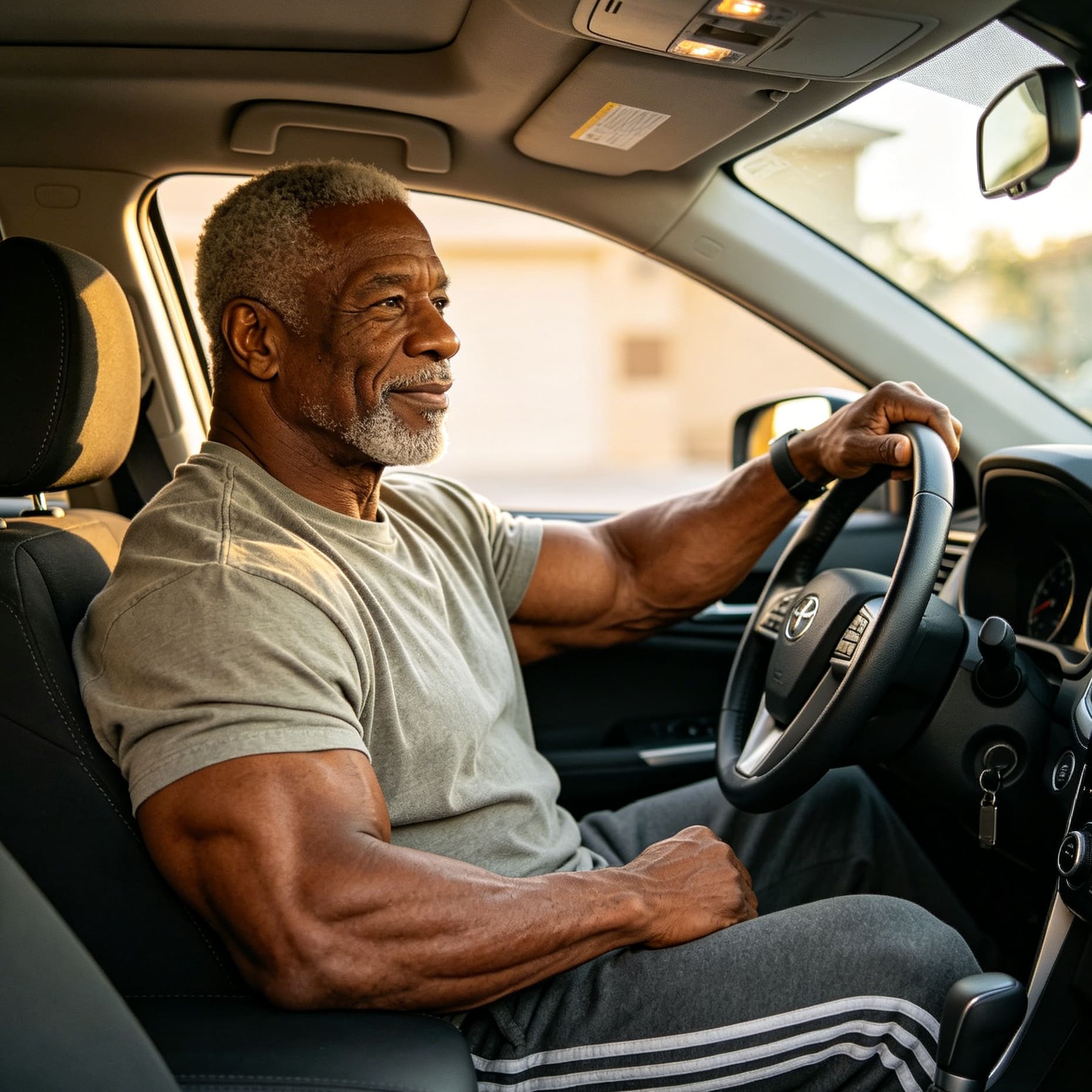
The DALL-E editor is an integrated suite of tools within ChatGPT that enables users to modify, enhance, and refine images generated by the DALL-E 3 model. Unlike earlier iterations of AI image generation where a single prompt produced a final, unchangeable result, this editor introduces a non-destructive workflow. It allows for precise control over specific elements of a picture without requiring external photo-editing software like Photoshop. By combining visual selection tools with natural language processing, the DALL-E editor bridges the gap between raw AI generation and professional-grade asset creation.
What is the DALL-E Editor?
The DALL-E editor is a specialized interface launched by OpenAI to solve the "one-shot" problem of AI art. Previously, if a generated image was perfect except for a single detail—such as a cat having the wrong eye color—the user had to regenerate the entire image, often losing the composition they liked. The DALL-E editor provides two primary ways to fix this: a Select tool for targeted "inpainting" and a conversational sidebar for global "outpainting" or stylistic changes. It operates directly within the ChatGPT web interface and mobile application, making it accessible for both casual creators and professional designers.
Getting Started with the DALL-E Editor Interface
To access the DALL-E editor, a user must first generate an image using DALL-E 3 within ChatGPT. Once the image is rendered, clicking on it opens the full-screen preview. This preview window is where the editor resides.
The interface consists of several key components:
- The Canvas: The central area where the generated image is displayed.
- The Select Tool: Represented by a paintbrush icon in the top toolbar. This tool activates the inpainting mode.
- Brush Size Slider: Located in the top-left corner, allowing the user to adjust the thickness of the selection brush.
- Undo and Redo Buttons: Essential for correcting accidental strokes during the selection process.
- Conversation Sidebar: The text box on the right (or bottom on mobile) where the user describes the desired changes for the selected area.
- Save/Download Button: Located in the top-right corner to export the final refined image.
Mastering Precise Inpainting with the Select Tool
The Select tool is the most powerful feature for users who need surgical precision. It follows a logic known as "inpainting," where the AI identifies a masked area and fills it with new content based on a specific prompt while keeping the rest of the image pixels locked.
Adjusting Brush Size for Better Control
Precision starts with the brush size. In our extensive testing with complex architectural renders, we found that using a large brush for background elements like sky or grass saves time, while a small brush is mandatory for facial features or fine text. The slider allows for a range that can cover nearly half the screen or a single pixel. A common mistake is using a brush that is too large, which can cause the AI to rethink the surrounding context more than necessary, potentially altering the lighting or perspective of nearby objects.
The Art of Selecting the Right Area
A critical insight from professional AI prompting is that the AI needs context to blend new pixels seamlessly. When selecting an area to edit, it is highly recommended to paint a "buffer zone" around the object. If you want to change a person's tie, do not just paint the tie itself; paint a few pixels of the shirt collar and the chest area. This gives DALL-E 3 enough information about the surrounding textures and lighting to ensure the new tie doesn't look like a flat sticker placed on top of the image.
Editing Images Through Conversational Prompts
Not every edit requires the paintbrush. The conversational editing mode allows for broader, more holistic modifications. This is particularly useful for changing the mood, lighting, or global style of a piece.
For example, if you have generated a vibrant city street and decide it should be a rainy night scene, you can simply type "Make it a rainy night with neon reflections on the puddles" in the chat sidebar without selecting any specific area. The AI will analyze the existing composition and re-render the entire image while maintaining the original structure of the buildings and streets.
However, conversational editing can be less predictable than inpainting. If the prompt is too vague, the AI might change more than intended. To mitigate this, specific modifiers like "Keep the character's pose the same but change the background to a desert" help the model prioritize what to preserve.
Key Capabilities and Practical Use Cases
The DALL-E editor excels in three main categories: addition, removal, and modification. Understanding the nuances of each can drastically reduce the number of iterations needed to reach a final product.
Adding New Elements to an Image
Adding objects is perhaps the most common use of the editor. In our workflow tests, we successfully added elements ranging from simple geometric shapes to complex living creatures. To add an object:
- Select the area where the new object should appear.
- Provide a specific prompt, such as "Add a vintage leather suitcase on the floor."
The AI is remarkably good at matching the lighting of the new object to the existing scene. If the original image has a sunset light source coming from the left, the added suitcase will automatically feature shadows extending to the right.
Removing Unwanted Objects Naturally
AI removal (often called "generative erase") is a game-changer for cleaning up cluttered shots. Whether it is a stray power line in a landscape or an extra limb (a common AI artifact), the editor handles removal by reconstructing the background behind the selection.
When removing an object, the prompt should be clear. Instead of saying "Delete this," which can sometimes confuse the model, use "Remove the power lines and fill with clear sky" or "Remove the person in the background and extend the park scenery." This gives the AI a clear instruction on what should replace the deleted pixels.
Modifying Textures and Facial Expressions
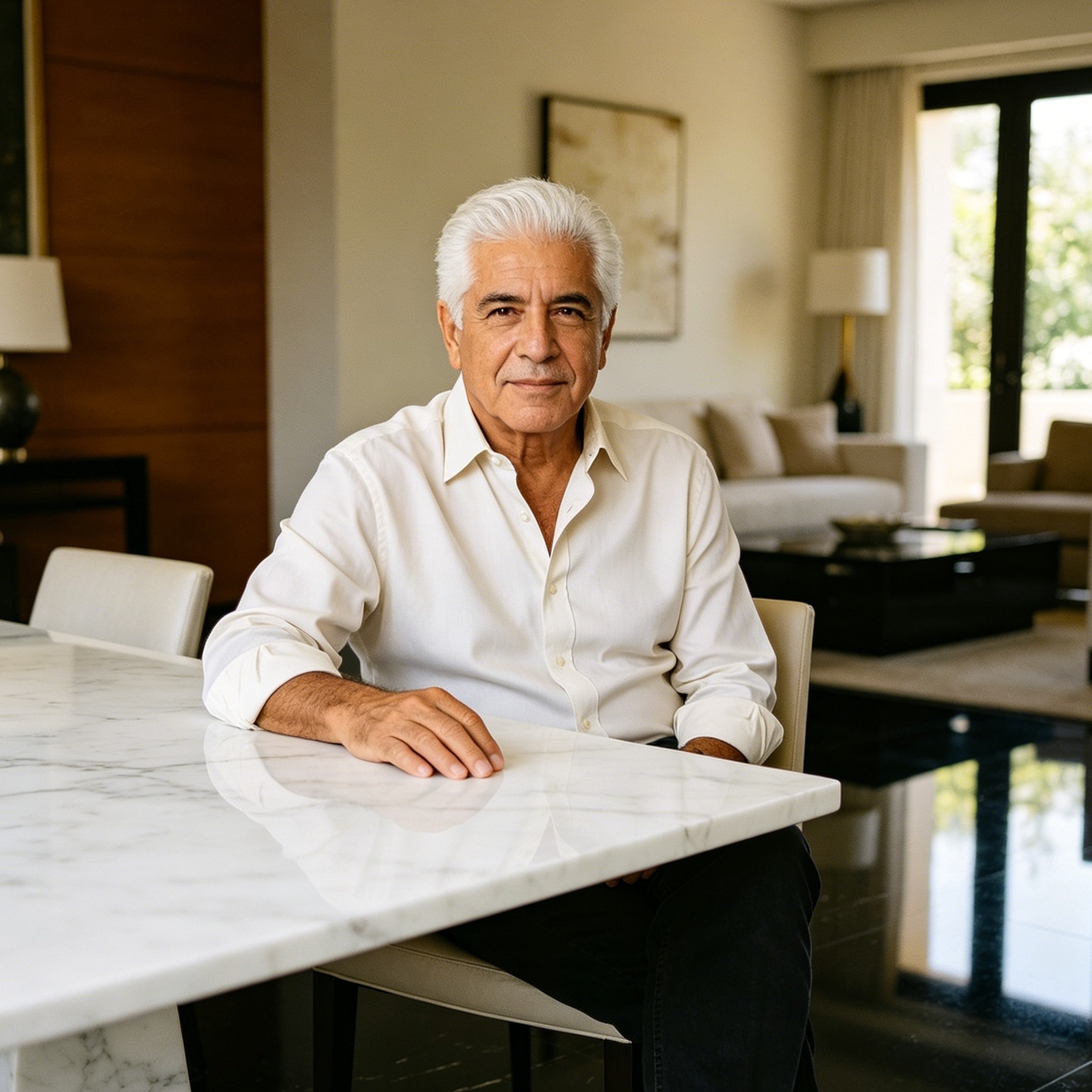
Micro-adjustments to textures and expressions are where the DALL-E editor truly shines for character designers. If a character looks too stern, selecting the face and prompting "Change expression to a subtle, warm smile" can alter the mouth and eyes without changing the character's identity. Similarly, you can change materials—for instance, selecting a wooden table and prompting "Change the material to polished white marble"—to see how different textures affect the aesthetic of a room.
Using DALL-E Editor on the ChatGPT Mobile App
The mobile experience for the DALL-E editor is surprisingly robust, offering nearly 1:1 parity with the web version. On iOS and Android, the interface is optimized for touch interaction.
- Access: Tap the image to expand it, then tap the "Edit" or "Select" button at the bottom.
- Selection: Use your finger or a stylus to paint the area. The brush size slider is moved to the left side of the screen for easy thumb access.
- Prompting: After selecting "Next," a dialogue box appears where you can type your instructions.
One advantage of the mobile app is the tactile nature of the selection tool, which can feel more intuitive for organic shapes compared to using a mouse on a desktop. However, for pixel-perfect precision, the desktop version remains the superior choice due to the larger display and finer cursor control.
Best Practices for Professional Results
To get the most out of the DALL-E editor, we recommend adopting an iterative workflow rather than trying to fix everything in one go.
- One Change at a Time: If you need to change the sky, add a bird, and change a character's shoes, do them as three separate edits. This prevents the prompt tokens from getting "muddled" and ensures the AI focuses entirely on one task.
- Use Descriptive Language: Avoid one-word prompts like "Bird." Instead, use "A small blue sparrow flying towards the right."
- Leverage Negative Constraints: While DALL-E 3 doesn't support traditional "negative prompts," you can use the editor to remove things by explicitly stating "Remove [object] and make it look like the original background."
- Acknowledge AI Limitations: The editor is not perfect at generating text or complex anatomical corrections (like fixing six fingers). Sometimes, it is better to generate a fresh image if the core anatomy is flawed.
Advanced Implementation for Developers via API
For developers and power users, the "DALL-E Editor" concept extends into the OpenAI API through the images.edit endpoint. This allows for the programmatic creation of editing tools.
The API requires three main inputs:
- Image: The original PNG file (must be under 4MB and square).
- Mask: A transparent PNG where the transparent areas indicate where the image should be edited.
- Prompt: The text instruction for the masked area.
Unlike the ChatGPT interface, which handles the mask generation for you via the brush tool, the API requires the developer to provide a pre-made mask. This is how the third-party Python tools mentioned in developer communities function—they provide a GUI (often using libraries like Tkinter or PyQt) to let users "paint" the transparency layer before sending the request to OpenAI's servers.
Summary
The DALL-E editor transforms AI image generation from a static output into a dynamic, collaborative process. By utilizing the Select tool for targeted inpainting and conversational prompts for global changes, users can achieve a level of creative control previously reserved for professional digital artists. Whether you are adding a missing detail, removing a distraction, or completely reimagining the style of a scene, the editor provides a streamlined, intuitive path to the perfect visual. As the model continues to evolve, we can expect even greater integration of these tools, further blurring the line between human intent and AI execution.
FAQ
Does using the DALL-E editor cost extra?
No, the DALL-E editor is included as part of the ChatGPT Plus, Team, and Enterprise subscriptions. Every edit counts as a new image generation against your usage limits.
Can I upload my own photos to the DALL-E editor?
As of the current version, the DALL-E editor is primarily designed to edit images generated within ChatGPT. While you can upload images to ChatGPT, the specific inpainting brush tool is most consistently available for DALL-E-native generations.
Why did the editor change parts of the image I didn't select?
This usually happens during conversational editing (without the brush tool) or if the brush selection was too large. To prevent this, use the Select tool and keep your prompts highly specific to the masked area.
Can the DALL-E editor fix AI-generated text?
It can try, but results are mixed. Selecting the garbled text and prompting with the correct words (e.g., "Change the text to 'OpenAI' in a clean sans-serif font") is more effective than regenerating the whole image, but it still requires patience and multiple attempts.
What is the maximum resolution for edited images?
The DALL-E editor typically maintains the 1024x1024 resolution for square images, though it also supports widescreen (1792x1024) and vertical (1024x1792) formats if the original image was generated in those aspect ratios.
-
Topic: DALL-E 2/3 create, DALL-E 2 edit tool in Python for you - Community - OpenAI Developer Communityhttps://community.openai.com/t/dall-e-2-3-create-dall-e-2-edit-tool-in-python-for-you/1149307
-
Topic: GitHub - xzxui/dalle_image_editor: An image editor that allows you to create and edit based on dall-e. Particularly useful when you're using an API from an un-official ENDPOINT. · GitHubhttps://github.com/xzxui/dalle_image_editor
-
Topic: dall · e 推出https://www.faxianai.com/wp-content/uploads/2025/04/1743673349-2%E3%80%81DALL%C2%B7E%E6%8E%A8%E5%87%BA.pdf