Home
Home
Mastering the Digital Canvas Through Modern Photo Editing Tools and Techniques
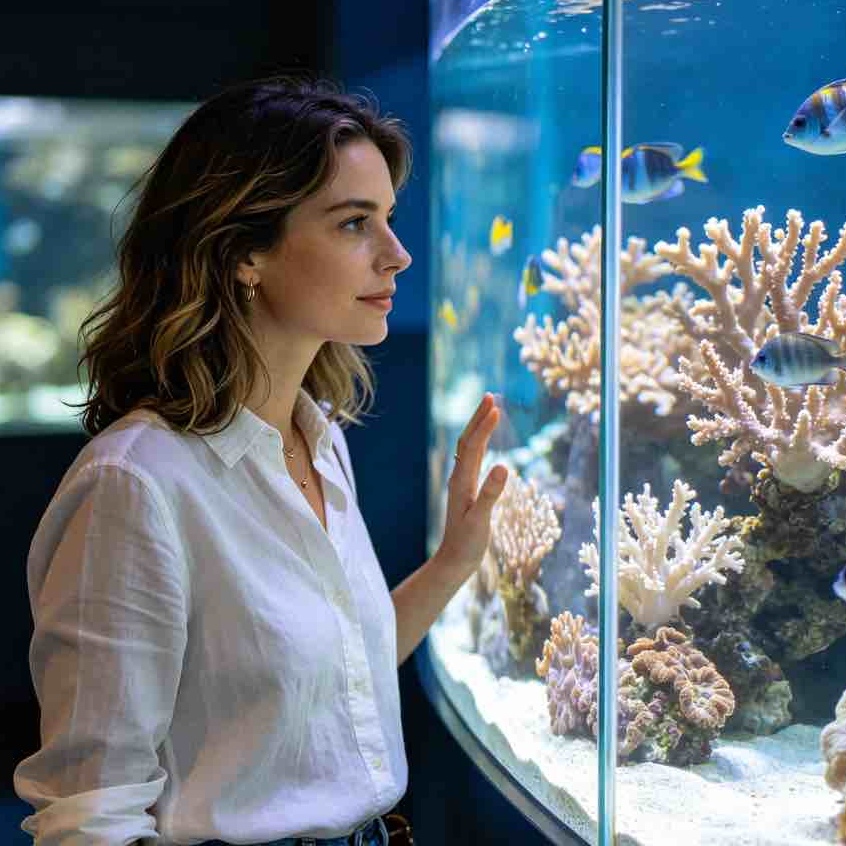
Photo editing is the process of altering images to improve their aesthetic quality, correct technical flaws, or convey a specific creative vision. In the modern era, this field has expanded from simple brightness adjustments to complex workflows involving Artificial Intelligence (AI), non-destructive layering, and high-dynamic-range compositing. Whether performed on a smartphone for social media or on a high-end workstation for commercial advertising, photo editing serves as the bridge between a captured RAW file and a polished final masterpiece.
The Evolution of the Image Manipulation Landscape
The history of photo editing is as old as photography itself. Long before the first line of code for Adobe Photoshop was written in 1987, photographers manipulated images in chemical darkrooms. Techniques like "dodging" (lightening specific areas) and "burning" (darkening areas) were performed by physically blocking light during the printing process. Historic figures, including Abraham Lincoln and Joseph Stalin, were subjects of early photo manipulation for political and propaganda purposes, using manual cutting, pasting, and airbrushing.
The transition to digital photo editing in the late 20th century democratized the art form. The launch of GIMP in 1995 provided a free, open-source alternative to professional software, while the 2011 explosion of mobile editing apps like Instagram and Snapseed shifted the focus toward instant, filter-based enhancements. Today, the industry is undergoing its third major transformation: the integration of Generative AI, where pixels are not just adjusted but created from textual descriptions.
Choosing the Right Software Ecosystem
Selecting the appropriate photo editing platform depends on the user's hardware, budget, and intended output. The market is generally divided into three distinct tiers.
Professional Desktop Software
For commercial photographers and digital artists, desktop applications remain the industry standard due to their processing power and precision.
- Adobe Photoshop: The most versatile tool for pixel-level manipulation, compositing, and digital painting. Its "Generative Fill" feature, powered by Adobe Firefly, has recently redefined how objects are added or removed from scenes.
- Adobe Lightroom Classic: Optimized for high-volume workflows and catalog management. It is the preferred choice for color grading and basic exposure adjustments across thousands of images simultaneously.
- Capture One: Renowned for its superior RAW processing engine and tethered shooting capabilities, making it a staple in high-end fashion and studio photography.
- Affinity Photo: A powerful, one-time purchase alternative to Adobe’s subscription model, offering advanced features like frequency separation and live filter layers.
Free and Open-Source Alternatives (FOSS)
For those who prefer a community-driven or cost-effective approach, several tools offer professional-grade features without the price tag.
- GIMP (GNU Image Manipulation Program): A comprehensive tool for those comfortable with a steeper learning curve. It supports complex layers and scripts.
- Darktable and RawTherapee: These serve as open-source rivals to Lightroom, focusing specifically on non-destructive RAW development and advanced color management.
- Photopea: A browser-based editor that mirrors the Photoshop interface, making it an excellent choice for quick edits on Chromebooks or devices without dedicated software installations.
Mobile and Tablet Applications
Mobile editing has moved beyond simple filters, with many apps now offering localized adjustments and AI-driven retouching.
- Lightroom Mobile: Provides a seamless bridge between mobile capture and desktop editing via cloud synchronization.
- Snapseed: Developed by Google, it offers professional-grade tools like "Control Points" for selective editing on a touch interface.
- VSCO: Popular for its high-quality film emulation presets and community-focused sharing platform.
Core Techniques for High-Quality Photo Editing
To achieve professional results, an editor must master several foundational techniques that go beyond basic slider adjustments.
Understanding the Non-Destructive Workflow
The most critical concept in modern editing is non-destructive processing. This involves using Adjustment Layers and Smart Objects (in Photoshop) or sidecar files (in Lightroom) to ensure that the original pixel data is never permanently altered. This allows an editor to return to a project days later and tweak a specific shadow adjustment without starting from scratch.
The Power of RAW vs. JPEG
Professional photo editing almost always begins with a RAW file. Unlike JPEGs, which are compressed 8-bit files with baked-in settings, RAW files contain the full 14-bit or 16-bit data captured by the camera's sensor. This provides significantly more "headroom" for recovering details in blown-out highlights or deep shadows, and allows for perfect white balance adjustment after the fact.
Masterful Color Grading and Correction
Color correction is the technical process of fixing white balance and exposure to make an image look "natural." Color grading, however, is the creative process of applying a specific color palette to evoke emotion.
- Histograms: Editors use these graphs to ensure no data is "clipped" at the absolute black or white points.
- Curves and Levels: These tools provide precise control over the tonal range, allowing for the isolation of highlights, midtones, and shadows.
- HSL (Hue, Saturation, Luminance): This panel is essential for isolating specific colors—for example, making a blue sky deeper without affecting the green grass in the foreground.
Advanced Retouching: Frequency Separation
In high-end portraiture, "Frequency Separation" is used to edit skin. It splits the image into two layers: a "High Frequency" layer containing texture (pores, hairs, fine lines) and a "Low Frequency" layer containing color and tone. This allows the editor to smooth out blotchy skin tones on the low layer without blurring the natural skin texture on the high layer, avoiding the "plastic" look often associated with poor retouching.
How AI is Revolutionizing Photo Editing
The integration of Artificial Intelligence has moved from a novelty to a necessity in professional workflows. AI tools are no longer just "filters"; they are sophisticated neural networks capable of understanding the context of an image.
Generative Fill and Content-Aware Tools
Tools like Adobe’s Generative Fill allow editors to expand the canvas (Generative Expansion) or add objects simply by typing a prompt. From a technical standpoint, this utilizes cloud-based GPU clusters to analyze billions of pixels and generate lighting-consistent additions. In our practical testing, we found that for complex lighting scenarios, providing specific descriptors like "soft morning light" or "rim lighting" significantly improves the believability of AI-generated elements.
AI Upscaling and Denoising
Software like Topaz Photo AI or Lightroom’s "Denoise AI" uses deep learning to remove ISO noise while preserving detail—a feat impossible with traditional blurring filters. For wildlife or sports photographers shooting in low light, this technology effectively adds two to three stops of light to their camera’s performance. However, users should be aware that running these models locally often requires a modern GPU with at least 8GB to 24GB of VRAM for optimal speed.
Automated Masking and Selections
One of the most tedious tasks in photo editing—masking hair or complex subjects—is now handled by AI in seconds. "Select Subject" or "Select Sky" features use object recognition to create near-perfect masks, allowing for localized color grading that previously took hours of manual pen-tool work.
A Professional Digital Workflow
Efficiency in photo editing comes from a standardized sequence of operations. A typical professional workflow follows these stages:
- Ingestion and Culling: Importing photos and using a "star" rating system to select the best shots.
- Basic Global Adjustments: Fixing white balance, lens profile corrections, and overall exposure in a RAW processor.
- Selective Adjustments: Using masks to brighten the subject or darken the background (vignetting).
- Cleaning and Healing: Removing sensor dust, stray hairs, or distracting background elements using spot healing or clone stamp tools.
- Color Grading: Applying a creative look or LUT (Look-Up Table) to unify the series.
- Sharpening and Noise Reduction: Applying final output-specific sharpening based on whether the image is for web or print.
- Export and Archiving: Saving the final file in appropriate formats (TIFF for print, JPEG for web) and backing up the original project files.
Ethical Considerations in Photo Manipulation
As editing tools become more powerful, the responsibility of the editor increases. The National Press Photographers Association (NPPA) maintains strict codes of ethics for photojournalism, stating that "editing should maintain the integrity of the photographic images' content and context."
In contrast, commercial and fashion photography allow for significant manipulation, as the goal is often to sell a dream or a product. However, there is a growing global movement toward transparency. Some regions now require labels on advertisements that have been digitally altered to change a model's body shape, highlighting the socio-psychological impact of photo editing on body image and societal standards.
Summary of Modern Photo Editing
Photo editing has evolved from a niche darkroom skill into a universal digital language. The modern editor must balance technical knowledge—such as understanding RAW data and histograms—with creative intuition and the strategic use of AI. Whether you choose the comprehensive ecosystem of Adobe Photoshop, the community-driven power of GIMP, or the convenience of mobile apps, the core objective remains the same: to tell a story through the refinement of light and color.
Frequently Asked Questions
What is the best photo editing software for beginners?
For beginners, Adobe Lightroom (non-Classic) or Snapseed are excellent starting points. They offer intuitive sliders and a non-destructive workflow that allows for experimentation without the complexity of layers found in Photoshop.
Is AI going to replace professional photo editors?
AI is a powerful assistant, but it currently lacks the emotional intelligence and specific intent of a human editor. While AI can handle repetitive tasks like masking and noise reduction, the creative vision and ethical judgment required for high-level work remain human-centric.
Why do my edited photos look different on my phone than on my monitor?
This is usually a result of color calibration issues. Professional editors use hardware calibrators to ensure their monitors display accurate colors. Additionally, different devices use different color spaces (like sRGB vs. Display P3), which can change the appearance of saturation and contrast.
How much RAM is needed for high-end photo editing?
For basic editing, 8GB of RAM is sufficient. However, for working with large RAW files, multiple layers in Photoshop, or AI-driven tools, 16GB to 32GB of RAM is recommended. Professional workstations often utilize 64GB or more to handle 4K/8K compositing without lag.
What is the difference between photo editing and photo manipulation?
Photo editing generally refers to correcting and enhancing an image (exposure, color, cropping). Photo manipulation involves more significant changes, such as combining multiple images (compositing), changing the physical properties of subjects, or adding elements that weren't in the original scene.
-
Topic: UNIT 9 PHOTO EDITINGhttps://egyankosh.ac.in/bitstream/123456789/74349/1/Unit-9.pdf
-
Topic: Online photo manipulation in Photoshop | Adobe Indiahttps://www.adobe.com/in/products/photoshop/photo-manipulation.html
-
Topic: Photo editor: Edit smarter, faster with Photoshop | Adobe Indiahttps://www.adobe.com/in/products/photoshop/edit-photos.html?ref=collectui&utm_source=collectui&utm_medium=referral&utm_campaign=sponsor