Home
Home
Six Essential Stages of a Scalable Digital Asset Management Process

The digital landscape for modern enterprises is characterized by an explosion of content. From high-resolution marketing videos and brand identity kits to complex 3D renders and legal documents, the volume of files generated daily can quickly become unmanageable. Without a structured framework, these files are often scattered across local drives, email threads, and disparate cloud storage platforms, leading to wasted creative hours, brand inconsistency, and legal risks.
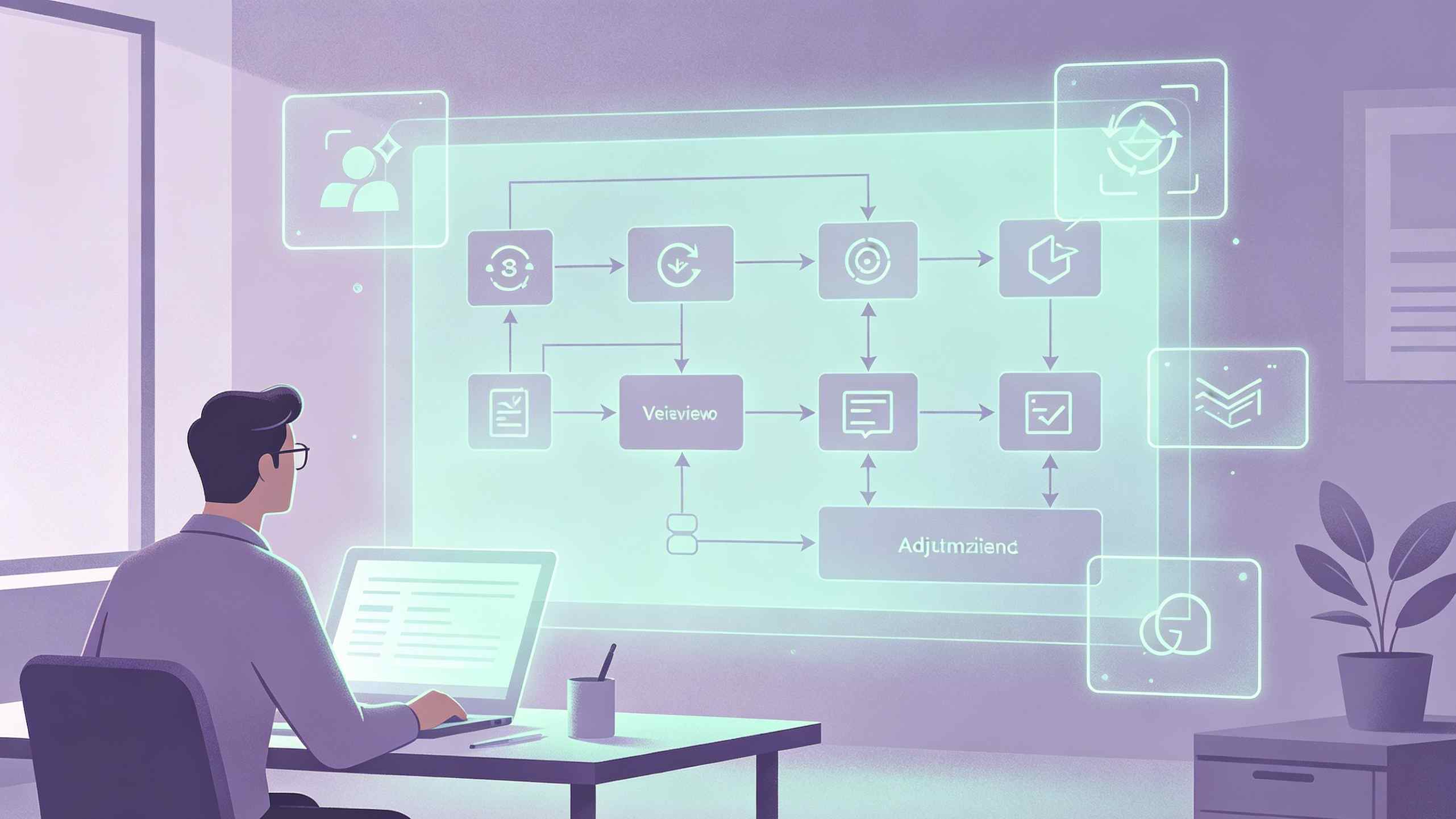
A robust Digital Asset Management (DAM) process is the strategic solution to this chaos. It is a structured lifecycle that tracks a digital asset from its initial conception through to its final retirement. By implementing a standardized DAM workflow, organizations transform passive file storage into an active, value-driving engine that ensures every asset is discoverable, secure, and utilized to its full potential.
Stage 1: Asset Creation and Strategic Acquisition
The DAM process does not begin when a file is uploaded; it starts the moment a need for content is identified. This stage involves the planning, ideation, and production of assets, or the legal procurement of third-party content.
Strategic Planning and Briefing
Effective creation relies on clear objectives. In professional creative environments, this involves developing creative briefs that specify the intended use of the asset, target channels, and required formats. When the creation process is aligned with the DAM framework from day one, creators can ensure that file naming conventions and basic technical requirements are met during the production phase, simplifying later stages of the process.
Production and Sourcing
Production encompasses photography, graphic design, video editing, and copywriting. During this phase, creative teams often work within specialized software suites. A mature DAM process encourages the use of templates and brand guidelines to ensure that everything produced is inherently compliant with the organization's identity.
Acquisition, on the other hand, involves purchasing stock photography, licensing music, or commissioning work from external agencies. The critical component here is the capture of usage rights. The DAM process must account for these legal boundaries immediately, ensuring that license expiration dates and usage restrictions are documented before the asset even enters the main library.
Stage 2: Ingestion and Intelligent Organization
Ingestion is the gateway to the DAM system. It is the phase where raw content is transformed into a managed "asset" by adding layers of intelligence and context.
The Ingestion Workflow
Uploading files should be more than a simple drag-and-drop action. A sophisticated ingestion process includes virus scanning, file format validation, and automated checksums to ensure data integrity. Organizations handling massive volumes of data often utilize bulk upload tools or automated hot-folders that sync creative workstations directly with the central DAM repository.
Defining Metadata Schemas
Metadata is the backbone of discoverability. Without descriptive information, an asset is effectively invisible. A high-performance DAM process categorizes metadata into three distinct types:
- Descriptive Metadata: Keywords, titles, descriptions, and creator names that help users find the asset via search.
- Technical Metadata: Automatically extracted information such as file dimensions, resolution, color space, and EXIF/IPTC data from cameras.
- Administrative Metadata: Rights management info, expiration dates, and internal project codes.
Taxonomy and Categorization
While metadata provides the "what," taxonomy provides the "where." A well-designed taxonomy is a hierarchical structure that mirrors the organization's business logic. Whether organized by product line, geographical region, or campaign year, the taxonomy allows users to browse the library intuitively. The goal is to create a controlled vocabulary that prevents "tagging pollution"—where different users use different terms for the same concept (e.g., "photo" vs. "image").
Stage 3: Review and Approval Workflows
Once an asset is ingested, it must be vetted to ensure it meets quality standards and brand compliance before being made available to the wider organization.
Collaborative Proofing
Modern DAM processes replace fragmented email feedback loops with centralized proofing tools. Stakeholders, including creative directors, legal teams, and brand managers, can leave time-stamped comments and annotations directly on the asset. For video content, this might involve frame-accurate feedback, ensuring precision in the editing process.
Automated Approval Routing
To prevent bottlenecks, the DAM process often utilizes automated triggers. When a designer marks an asset as "Ready for Review," the system automatically notifies the relevant approvers. If an asset is rejected, it is routed back to the creator with feedback. Only after receiving a final "Approved" status is the asset moved from a restricted staging area to the public-facing library.
Compliance and Quality Assurance
Beyond aesthetics, the review stage checks for technical compliance. Does the file meet the required resolution for print? Is the color profile correct for web use? More importantly, the legal team verifies that all model releases and intellectual property clearances are in place. This stage acts as a critical filter, protecting the brand from costly copyright infringements.
Stage 4: Dynamic Distribution and Channel Integration
An asset’s value is realized only when it reaches its intended audience. The distribution stage focuses on sharing assets efficiently and securely across internal teams and external partners.
The Single Source of Truth
The core philosophy of a DAM process is "create once, distribute everywhere." Instead of sending large file attachments, users share "share links" or "collections." This ensures that everyone is accessing the same version of the file. If the master asset is updated, all shared links can automatically reflect the latest version, eliminating the risk of partners using outdated logos or imagery.
Omnichannel Integration
A scalable DAM process integrates directly with the organization's broader technology stack. Through APIs and pre-built connectors, the DAM system can push assets directly to:
- Content Management Systems (CMS): For website updates.
- Social Media Management Platforms: For scheduled posts.
- Product Information Management (PIM): To link product shots with technical specifications.
- Email Marketing Tools: For campaign visuals.
Brand Portals and External Access
For organizations working with franchises, retailers, or the press, the DAM process includes the creation of curated "Brand Portals." These are simplified, permission-controlled storefronts where external stakeholders can download approved assets without needing full access to the internal DAM environment.
Stage 5: Continuous Management and Rights Governance
Digital assets are not static; they evolve over time. This stage involves the ongoing maintenance of the library to ensure it remains a reliable resource.
Advanced Version Control
One of the most frequent points of failure in unmanaged systems is version confusion. The DAM process solves this by maintaining a complete version history. When a graphic is tweaked, the new file is uploaded as a new version of the existing asset, rather than a separate file. This allows users to track changes, see who made them, and roll back to a previous version if necessary.
Digital Rights Management (DRM)
Rights management is a continuous obligation. A proactive DAM process uses automated alerts to notify administrators when a talent contract or stock photo license is nearing expiration. High-risk assets can be programmed to "self-destruct" or become invisible to the general user base the moment their license expires, preventing accidental illegal usage.
Performance Analytics
To optimize the content strategy, the DAM process includes an analytical layer. By tracking which assets are most frequently downloaded, shared, or embedded, organizations can identify which types of content provide the highest Return on Investment (ROI). This data-driven approach informs future creation and acquisition strategies in Stage 1.
Stage 6: Strategic Archiving and Secure Disposal
The final stage of the lifecycle involves managing assets that are no longer in active use but may still hold historical or legal value.
Archiving and Cold Storage
Not every asset needs to be instantly accessible. As campaigns end and products are discontinued, assets are moved to an "Archive" state. In technical terms, this often involves moving files from high-performance, expensive cloud storage to "cold storage" tiers (like Amazon S3 Glacier). This reduces costs while ensuring the data remains available for historical reference or legal audits.
Secure Disposal and Data Retention
Eventually, some assets reach the end of their useful life. This is particularly true for assets containing sensitive data or those with strict legal disposal requirements. A formal disposal process involves permanently deleting files and their associated metadata in compliance with data privacy regulations like GDPR. A clear retention policy ensures the library stays lean and performant, preventing it from becoming a "digital junkyard."
The Role of Artificial Intelligence in Modern DAM Processes
AI is no longer a futuristic concept in asset management; it is a current necessity for scaling. Modern processes leverage AI to automate the most labor-intensive parts of the lifecycle.
Automated Metadata Generation
AI algorithms can now scan images and videos upon ingestion to identify objects, faces, colors, and even sentiments. This "auto-tagging" capability ensures that even if a human editor forgets to add keywords, the asset remains searchable.
Intelligent Content Transformation
In the distribution stage, AI-powered tools can automatically crop images for different social media aspect ratios or generate alt-text for accessibility compliance. This removes the manual burden of creating dozens of file variations, allowing the creative team to focus on high-value tasks.
Strategic Implementation of the DAM Process
Building a DAM process requires more than just buying software; it requires a shift in organizational culture and operational discipline.
Identifying Stakeholders and Roles
A successful process identifies clear roles:
- DAM Manager: The librarian responsible for governance and taxonomy.
- Creators: Designers and photographers who produce and ingest assets.
- Approvers: Brand and legal leads who vet the content.
- Consumers: Sales and marketing teams who utilize the assets.
Establishing Governance Policies
Governance is the set of rules that dictate how the DAM is used. This includes defining who has permission to delete files, who can share assets externally, and the mandatory metadata fields required for every upload. Without strict governance, the DAM process will eventually degrade as users find "shortcuts" that bypass organizational standards.
Summary
The Digital Asset Management process is a circular, continuous lifecycle that maximizes the utility and security of an organization's creative output. By mastering the six stages—Creation, Ingestion, Approval, Distribution, Management, and Archiving—businesses can eliminate operational friction and ensure their brand remains consistent across all channels. Implementing this process transforms a chaotic collection of files into a strategic corporate asset, driving efficiency and protecting the organization's intellectual property in an increasingly digital world.
FAQ
What is the difference between DAM and cloud storage?
While cloud storage platforms like Google Drive or Dropbox provide a place to save files, a DAM process includes specialized tools for metadata management, complex approval workflows, digital rights governance, and deep integrations with creative and marketing software. DAM is about management and utilization, whereas cloud storage is primarily about storage and basic sharing.
How does metadata improve the DAM process?
Metadata makes assets searchable and provides context. Without metadata, users have to rely on folder structures and file names, which are often inconsistent. Metadata allows for faceted search, where users can filter by criteria such as "Product Type," "Campaign," and "Usage Rights" simultaneously.
When should an organization start the archiving process?
Archiving should occur when an asset is no longer needed for daily operations but cannot be deleted due to potential future need, historical value, or legal requirements. Typically, this happens at the end of a marketing campaign or when a product is phased out.
Can a DAM process be automated?
Yes, many parts of the process can be automated. This includes AI-driven auto-tagging during ingestion, automated approval routing based on metadata, and scheduled distribution to social media or CMS platforms via APIs.
Why is version control important in DAM?
Version control ensures that everyone in the organization uses the most current, approved version of an asset. It prevents the accidental use of outdated logos or incorrect product shots and provides a clear audit trail of all changes made to a file over time.
-
Topic: Digital Asset Management: The Complete DAM Guide | Cantohttps://www.canto.com/digital-asset-management/
-
Topic: What is Digital Asset Management (DAM)? The Complete Guide for 2026 | ImageKit.iohttps://imagekit.io/guides/digital-asset-management/
-
Topic: What Is Digital Asset Management? DAM Software Guide (2026) | Acquiahttps://www.acquia.com/blog/digital-asset-management