Home
Home
Strategies for Securing and Excelling in Remote Data Analyst Roles

The landscape of data analytics has undergone a permanent shift toward distributed work environments. Remote data analyst roles now offer a unique combination of professional challenge and geographical freedom, allowing organizations to tap into global talent pools while providing employees with unprecedented flexibility. Securing these positions, however, requires more than just a proficiency in spreadsheets; it demands a robust technical foundation, mastery of digital communication, and a proactive approach to demonstrating value in a virtual setting.
Defining the Modern Remote Data Analyst
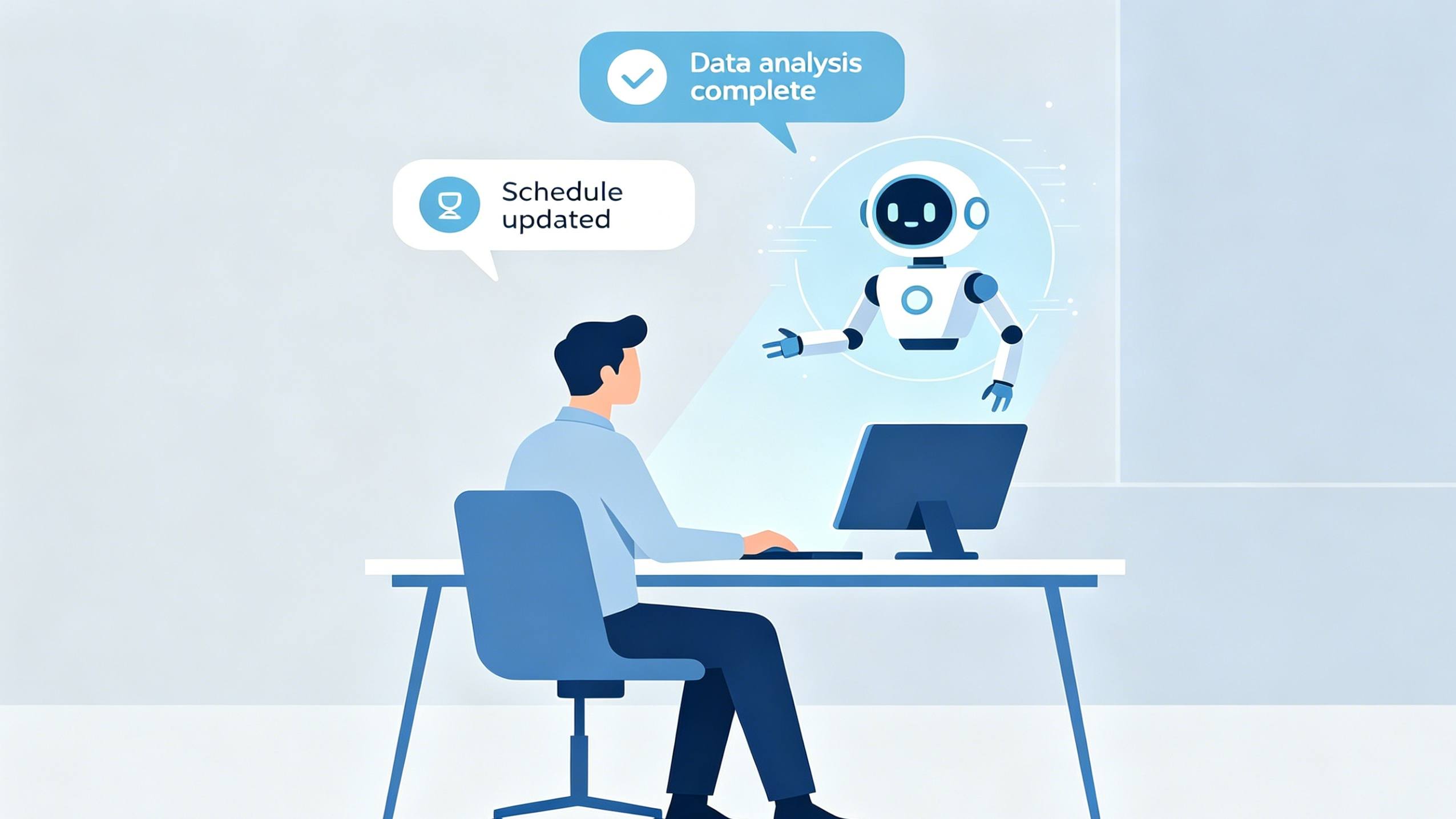
A remote data analyst functions as a digital detective, tasked with transforming fragmented data into cohesive business narratives without the benefit of physical proximity to stakeholders. The role bridges the gap between raw information and strategic action, requiring a high degree of autonomy.
Core Responsibilities in a Distributed Environment
In a remote setting, the data lifecycle remains the same, but the execution differs. The primary responsibilities include:
- Data Acquisition and Cleaning: Gathering data from diverse sources such as SQL databases, cloud storage (like AWS S3 or Google Cloud), and external APIs. Remote analysts often spend 60% to 80% of their time cleaning "messy" data to ensure accuracy before analysis begins.
- Exploratory Data Analysis (EDA): Utilizing statistical methods to identify trends, outliers, and correlations. This phase is critical for generating hypotheses that can drive business growth.
- Visualization and Dashboarding: Creating interactive reports using tools like Tableau, Power BI, or Looker. In a remote context, these dashboards must be self-explanatory, as the analyst isn't always available to explain them in person.
- Strategic Communication: Presenting findings to cross-functional teams via video conferencing. This involves translating complex statistical results into actionable insights for non-technical audiences.
Essential Technical Toolkit for Remote Analysts
To remain competitive in the remote job market, proficiency in a specific stack of tools is mandatory. Our internal evaluation of hiring trends suggests that candidates who demonstrate end-to-end project capability—from ingestion to insight—receive significantly higher interest from recruiters.
SQL: The Foundation of Data Interaction
Structured Query Language (SQL) is the non-negotiable bedrock of data analysis. For remote roles, simple SELECT and WHERE clauses are insufficient. Hiring managers look for:
- Complex Joins and Subqueries: The ability to merge data from dozens of tables efficiently.
- Window Functions: Using
RANK(),LEAD(), andLAG()to analyze time-series data or user behavior sequences. - Common Table Expressions (CTEs): Writing readable, maintainable code that other remote team members can easily audit and update.
Programming: Python and R
While Excel still has its place, remote data analyst roles increasingly require Python or R for advanced automation and statistical modeling. Python, in particular, has become the industry standard due to its versatility. Key libraries include:
- Pandas and NumPy: For high-performance data manipulation.
- Matplotlib and Seaborn: For creating customized static visualizations.
- Scikit-learn: For basic predictive modeling and machine learning tasks that go beyond simple linear regressions.
Data Visualization and Storytelling
A remote analyst’s work is often judged by the quality of their visual output. Mastering the "Data Storytelling" aspect is vital. During our practical assessments, we’ve observed that the most effective remote dashboards follow a "Z-pattern" of information hierarchy, placing the most critical KPIs in the top-left corner to align with natural reading habits.
The Crucial Role of Remote-Specific Soft Skills
Technical prowess gets you the interview; soft skills get you the job and help you keep it. In a remote environment, the lack of "watercooler talk" means you must be intentional about your presence.
Asynchronous Communication and Documentation
In a global team, you will often work with colleagues in different time zones. Mastery of asynchronous communication is essential. This means:
- Writing Comprehensive Documentation: Every SQL script and Python notebook should be documented so a colleague can understand the logic six months later without calling you.
- Clarity in Messaging: Being concise yet thorough in Slack or Microsoft Teams messages to reduce back-and-forth pings.
Proactive Self-Management
Remote work offers freedom but requires extreme discipline. Successful analysts are those who can manage their own sprints, meet deadlines without micromanagement, and proactively reach out to stakeholders when they encounter data roadblocks.
Market Trends and Salary Expectations
The compensation for remote data analyst jobs varies significantly based on experience, industry, and the company’s headquarters location. Based on recent market data, we can categorize the landscape into three main tiers:
- Entry-Level (0-2 years experience): Salaries typically range from $60,000 to $85,000. These roles focus on data cleaning, basic reporting, and assisting senior analysts.
- Mid-Level (3-5 years experience): Salaries often fall between $90,000 and $130,000. These professionals are expected to own entire projects and provide strategic recommendations.
- Senior/Lead Analyst (5+ years experience): Compensation can exceed $150,000, reaching up to $260,000 for specialized roles in high-stakes industries like Fintech or AI-driven SaaS companies.
Industry-Specific Demand
- Healthcare and Biotech: High demand for analysts who understand HIPAA compliance and clinical data structures.
- Fintech and Banking: Focused on risk assessment, fraud detection, and algorithmic trading analysis.
- E-commerce and Retail: Heavy emphasis on customer lifetime value (CLV), churn prediction, and marketing attribution models.
How to Find and Secure High-Quality Remote Roles
The most desirable remote jobs are rarely found by simply scrolling through generic job boards. A targeted strategy is necessary to cut through the noise.
Leveraging Niche Platforms
While LinkedIn and Indeed are useful, niche platforms often host higher-quality, truly remote-first positions. Sites dedicated to the remote ecosystem, such as Remote.co and specialized tech boards like Y Combinator’s "Work at a Startup," are excellent resources for finding companies that have a mature remote culture.
The Power of the Proof Portfolio
In the absence of a physical office, your portfolio is your proxy. A GitHub repository or a personal website showcasing 3–4 deep-dive projects is more persuasive than a five-page resume. Each project should demonstrate:
- Problem Statement: What business question were you trying to answer?
- Data Sourcing: Where did the data come from? (Using real-world, "messy" datasets from Kaggle or public APIs is preferred over clean, academic datasets).
- Methodology: Clear explanation of the cleaning and analysis process.
- Impact: What was the result? Did your analysis lead to a 10% cost reduction or a new marketing strategy?
Networking and Direct Outreach
Don't wait for a job posting. If you admire a remote-first company, find their Lead Data Analyst or Engineering Manager on LinkedIn. A brief, professional message expressing interest in their data stack and mentioning a specific project of theirs can open doors that are closed to the general public.
Preparing for the Remote Interview Process
Remote interviews often include a technical screening and a "culture fit" video call.
The Technical Assessment
Expect a live coding challenge or a take-home assignment. For take-home tasks, companies aren't just looking for the right answer; they are looking for your process.
- Pro Tip: Include a "README" file with your take-home assignment that explains your assumptions and how you would scale the solution if given more time. This demonstrates the "Experience" and "Authority" that hiring managers crave.
The Behavioral Interview
Prepare for questions about how you handle isolation, how you resolve conflicts in a virtual setting, and how you stay updated with industry trends. Use the STAR (Situation, Task, Action, Result) method to provide structured, data-backed answers.
Frequently Asked Questions (FAQ)
Can I get a remote data analyst job with no experience?
Yes, but it is challenging. You must compensate for a lack of professional history with an exceptional portfolio. Look for "Junior" or "Associate" roles, and consider internships or freelance projects to build a track record.
Do remote data analysts need to be on-call?
Typically, no. Unlike DevOps or System Administrators, data analysts usually work on project-based timelines. However, "Hybrid" roles may require occasional travel for quarterly planning or team-building retreats.
What are the best tools for remote collaboration for analysts?
Beyond the data stack, you should be proficient in Slack for communication, Jira or Trello for project management, and Miro or Lucidchart for collaborative brainstorming and data architecture mapping.
How do I handle time zone differences in a remote role?
Most remote-first companies have "core hours" (e.g., 10 AM to 2 PM EST) where everyone is expected to be online for meetings. Outside of these hours, work is usually asynchronous. Clear calendar management is key.
Conclusion
The shift toward remote data analyst jobs represents a significant opportunity for professionals who are willing to adapt to a new way of working. Success in this field is no longer just about mathematical talent; it is about the ability to operate independently, communicate clearly across digital channels, and provide tangible evidence of your impact through a strong portfolio. By mastering the core technical stack—SQL, Python, and Data Visualization—and cultivating the self-discipline required for distributed work, you can build a rewarding career that offers both professional growth and the freedom to work from anywhere in the world. As organizations continue to become more data-driven, the demand for skilled remote analysts who can bridge the physical gap with digital insight will only continue to rise.
-
Topic: Remote Data Analyst Jobs - Work From Home & Online | FlexJobshttps://www.flexjobs.com/remote-jobs/data-analyst
-
Topic: Remote Data Analytics Jobs - Work From Home & Online | FlexJobshttps://www.flexjobs.com/remote-jobs/data-analytics?page=5
-
Topic: Remote Data Analyst Jobs – Apply Now | RemoteRocketship.comhttps://www.remoterocketship.com/jobs/data-analyst/