Home
Home
Why Urban Assembly Maker Academy Redefines the High School Experience Through Design Thinking

Urban Assembly Maker Academy (UA Maker) is a specialized public high school located in the heart of Lower Manhattan, New York City. Situated at 411 Pearl Street, this institution has garnered significant attention for its departure from traditional rote learning in favor of the "maker movement" and design thinking. As part of the Urban Assembly network, UA Maker serves students in grades 9 through 12, offering a curriculum that blends rigorous academics with hands-on technical training. The school is designed for students who are not content with just reading about the world but want to actively build, solve, and innovate within it.
The Core Philosophy of the Maker Mindset
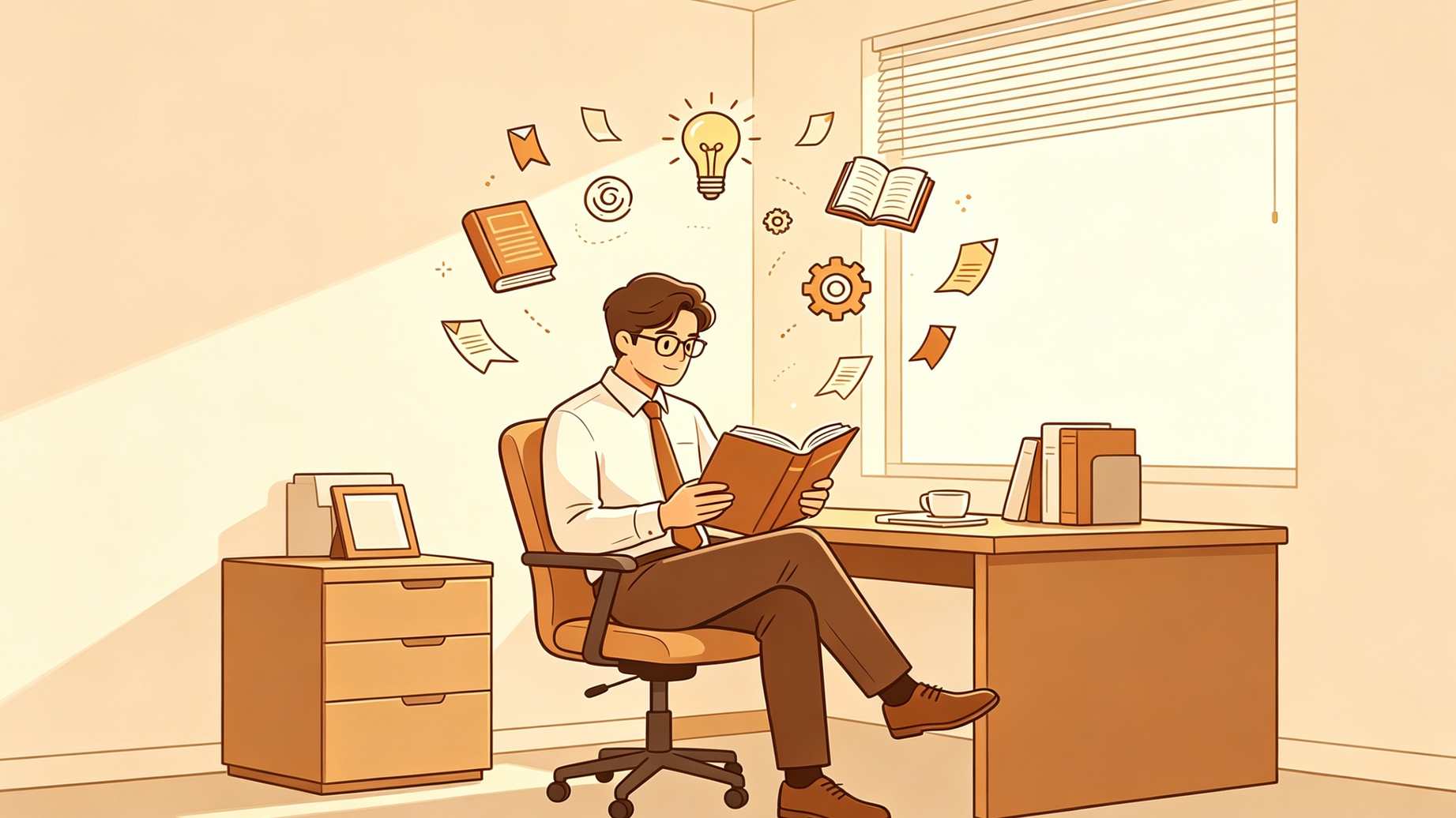
At its heart, Urban Assembly Maker Academy is built on the belief that the world needs problem solvers who can navigate a landscape of constant change. This "maker mindset" is not just about using tools; it is about a psychological approach to challenges. Students are encouraged to see failure not as a dead end, but as a critical data point in the iterative process of creation.
The school integrates design thinking—a methodology popularized by institutions like Stanford’s d.school—into every aspect of its curriculum. This process involves five key stages: empathizing with the user, defining the problem, ideating solutions, prototyping, and testing. Whether a student is in a physics class or a digital media studio, they apply this framework to reach their goals. This approach ensures that technical skills are always grounded in human-centric problem solving, preparing graduates for careers that require both empathy and engineering.
Mastery Based Learning and the Shift Away from Traditional Grades
One of the most distinctive features of Urban Assembly Maker Academy is its mastery-based (or competency-based) grading system. In a traditional high school, a student might receive a "C" on a test and move on to the next unit without ever fully understanding the material they missed. UA Maker rejects this model.
In a mastery-based system, students are evaluated on their proficiency in specific skills and concepts. Instead of a single letter grade for a course, students receive feedback on their progress toward mastering "competencies." If a student hasn't mastered a particular skill, they are given additional support and opportunities to try again. This creates a culture of persistence. It also ensures that a passing grade actually reflects a high level of understanding and readiness for college-level work.
This system is particularly beneficial for subjects like mathematics and computer science, where knowledge is cumulative. By ensuring foundational mastery, UA Maker reduces the achievement gaps that often widen as students progress through more complex high school coursework.
Career and Technical Education Pathways
Urban Assembly Maker Academy is a designated Career and Technical Education (CTE) school. This status allows it to offer specialized pathways that provide students with industry-recognized certifications and real-world skills. Currently, the school offers two primary CTE tracks: Computer Science and Digital Media.
The Computer Science Track
The Computer Science pathway at UA Maker goes far beyond basic digital literacy. Students dive deep into the architecture of technology. Starting with foundational logic and physical computing, they eventually move into advanced programming.
- Video Game Programming: Students learn the mechanics of game design, including physics engines and user interface (UI) development.
- Python Coding: As one of the most versatile and in-demand programming languages, Python is a staple of the curriculum, used for data analysis and software development.
- Physical Computing: This involves using hardware like Arduino and Raspberry Pi to create devices that interact with the physical world, bridging the gap between code and reality.
The Digital Media Track
The Digital Media pathway is designed for students who want to merge artistic expression with technical precision. This track focuses on the tools used by modern creative professionals.
- Animation and Prototyping: Students learn how to bring ideas to life through movement and create functional prototypes of digital products.
- Design Studio: This serves as a creative hub where students work on branding, visual storytelling, and user experience (UX) design.
- Digital Tools: Mastery of the Adobe Creative Suite and other professional-grade software is a requirement, ensuring students are "day-one ready" for internships in the creative sector.
Inside the Maker Lab: A Hub for Innovation
The physical center of the school is the Maker Lab. This is not a typical classroom; it is a professional-grade workshop equipped with high-end fabrication tools. The lab provides the necessary infrastructure for students to turn their digital designs into physical objects.
- 3D Printers: These are used for rapid prototyping, allowing students to iterate on designs within hours.
- Laser Cutters and Vinyl Cutters: These tools allow for precise material fabrication, used in everything from architectural modeling to custom electronics housing.
- Collaboration Spaces: The lab is designed to facilitate teamwork, with flexible furniture and open areas that encourage spontaneous brainstorming and peer-to-peer teaching.
The existence of the Maker Lab signifies the school's commitment to "learning by doing." It provides a space where students can see the tangible impact of their academic labor.
A Supportive Culture through the Four Year Advisory Program
High school can be a socially and emotionally turbulent time. Urban Assembly Maker Academy addresses this through its comprehensive four-year advisory program. Every student is part of an advisory group that stays together throughout their high school journey, led by a consistent faculty advisor.
- Freshman Year: Focuses on the school's core values, building a sense of community, and introducing the design thinking process.
- Sophomore Year: Shifts toward deeper self-reflection and identifying personal strengths and interests.
- Junior Year: Primarily dedicated to college and career exploration, including the start of the admissions process and standardized test preparation.
- Senior Year: Concentrates on the transition out of high school, managing college applications, financial aid, and preparing for the independence of post-secondary life.
This program ensures that no student "falls through the cracks." It provides a consistent point of contact for families and a safe space for students to discuss both academic and personal challenges.
Academic Performance and Graduation Statistics
Data from the New York State Education Department (NYSED) and New York City Department of Education (NYC DOE) highlights the school's success in preparing students for the future. UA Maker consistently reports graduation rates that exceed the citywide average.
- Graduation Rate: The school has achieved 4-year graduation rates as high as 93% to 97%, a testament to its supportive environment and effective teaching methods.
- College Readiness: A significant percentage of graduates enroll in college or post-secondary training immediately after graduation.
- Inclusive Excellence: The school has shown strong performance metrics for students with disabilities and English Language Learners (ELL), with graduation rates for these subgroups often significantly outperforming citywide benchmarks.
The school's College and Career Readiness (CCR) score is also notable, reflecting its ability to prepare students for the rigors of higher education and the modern workforce.
Enrollment and Diversity at UA Maker
Urban Assembly Maker Academy is an "Educational Option" (Ed Opt) school. This means its admissions process is designed to create a student body with a diverse range of academic abilities. The school serves approximately 538 students, representing a broad cross-section of New York City’s demographics.
- Demographic Profile: The student body is diverse, with significant Hispanic/Latino (approx. 48%) and Black (approx. 25%) representation, alongside White and Asian students.
- Accessibility: The school is located in a fully accessible building, ensuring that students with physical disabilities can participate in all aspects of the curriculum.
- Gender Balance: Historically, the school has seen a higher enrollment of male-identifying students, particularly in its tech pathways, but it remains committed to fostering an inclusive environment for all genders, including strong support for LGBTQ+ students.
What is the Admissions Process for UA Maker?
For 8th-grade students in New York City, applying to UA Maker follows the standard Department of Education high school application process.
- Ranking: Students must list UA Maker on their high school application. Ranking the school higher (near the top of the 12 choices) increases the likelihood of a match.
- No Portfolios or Grades Required: As an Ed Opt school, UA Maker does not screen students based on middle school grades, test scores, or portfolios. The NYC DOE algorithm handles the placement to ensure academic diversity.
- Open Houses: Prospective families are encouraged to attend open houses, typically starting in October, to tour the Maker Lab and meet faculty.
The Shared Campus Environment
UA Maker is housed in the Murry Bergtraum High School building. While the school has its own dedicated floors and unique identity, it shares the building with other institutions, such as the Manhattan Early College School for Advertising and the Urban Assembly School for Emergency Management.
- Shared Facilities: Students have access to a shared cafeteria and large-scale athletic facilities.
- Campus Sports: This shared arrangement allows UA Maker students to participate in a wide variety of Public Schools Athletic League (PSAL) sports teams that represent the entire campus, providing opportunities for competitive athletics that a small school might not be able to offer on its own.
Notable Challenges and Considerations
While UA Maker offers a unique and highly successful model, there are some trade-offs that prospective students should consider.
- Elective Breadth: Because students are required to take maker-themed and CTE classes every semester, there is often less room in their schedules for traditional electives unrelated to tech or design.
- Foreign Language: Historically, the school has offered a more limited selection of foreign language instruction compared to much larger traditional high schools, often focusing primarily on Spanish.
- Project Intensity: The project-based nature of the school requires a high level of self-discipline and collaboration. Students who prefer traditional lecture-style learning or who struggle with group work may find the curriculum more challenging.
How Urban Assembly Maker Academy Prepares for the Future
The ultimate goal of UA Maker is to graduate students who are not just consumers of technology, but creators of it. By the time they graduate, students have a portfolio of work that demonstrates their ability to identify a problem, design a solution, and build a prototype. This portfolio is increasingly valuable in both college admissions and the professional job market.
The school's partnerships with organizations like the Parsons School of Design and various tech firms ensure that the curriculum remains relevant to industry standards. These connections also provide students with internship opportunities, allowing them to apply their lab-learned skills in professional environments before they even graduate high school.
Frequently Asked Questions About Urban Assembly Maker Academy
What grades are served at UA Maker?
The school serves students in grades 9, 10, 11, and 12.
Where is Urban Assembly Maker Academy located?
The school is located at 411 Pearl Street, Manhattan, NY 10038, in the Murry Bergtraum High School building.
Does UA Maker require an entrance exam or audition?
No. UA Maker is an Educational Option (Ed Opt) school. Admissions are determined by the NYC DOE placement algorithm, and the school does not look at student grades, portfolios, or recommendation letters for admission.
What are the CTE pathways at the school?
The school offers two New York State-approved Career and Technical Education pathways: Computer Science and Digital Media.
Is the school accessible for students with disabilities?
Yes, the building at 411 Pearl Street is rated as fully accessible. The school provides differentiated instruction and support for students with Individualized Education Programs (IEPs).
What is the Yondr policy at UA Maker?
Like many NYC schools, UA Maker has a policy regarding cell phone use to minimize distractions. In recent years, they have implemented a Yondr policy where students place their phones in a locked pouch during the school day.
Summary
Urban Assembly Maker Academy stands as a model for modern secondary education. By prioritizing design thinking, mastery-based grading, and hands-on technical training, it provides a compelling alternative to the traditional high school experience. While its specialized focus on "making" and technology means fewer traditional electives, the trade-off is a deep, applicable skillset and a mindset geared toward innovation and resilience. For students in New York City who are eager to build the future rather than just study it, UA Maker offers a unique and high-performing path toward college and career success.