Home
Home
How Strategic Hotel Lead Management Optimizes the Sales Pipeline and Boosts Revenue

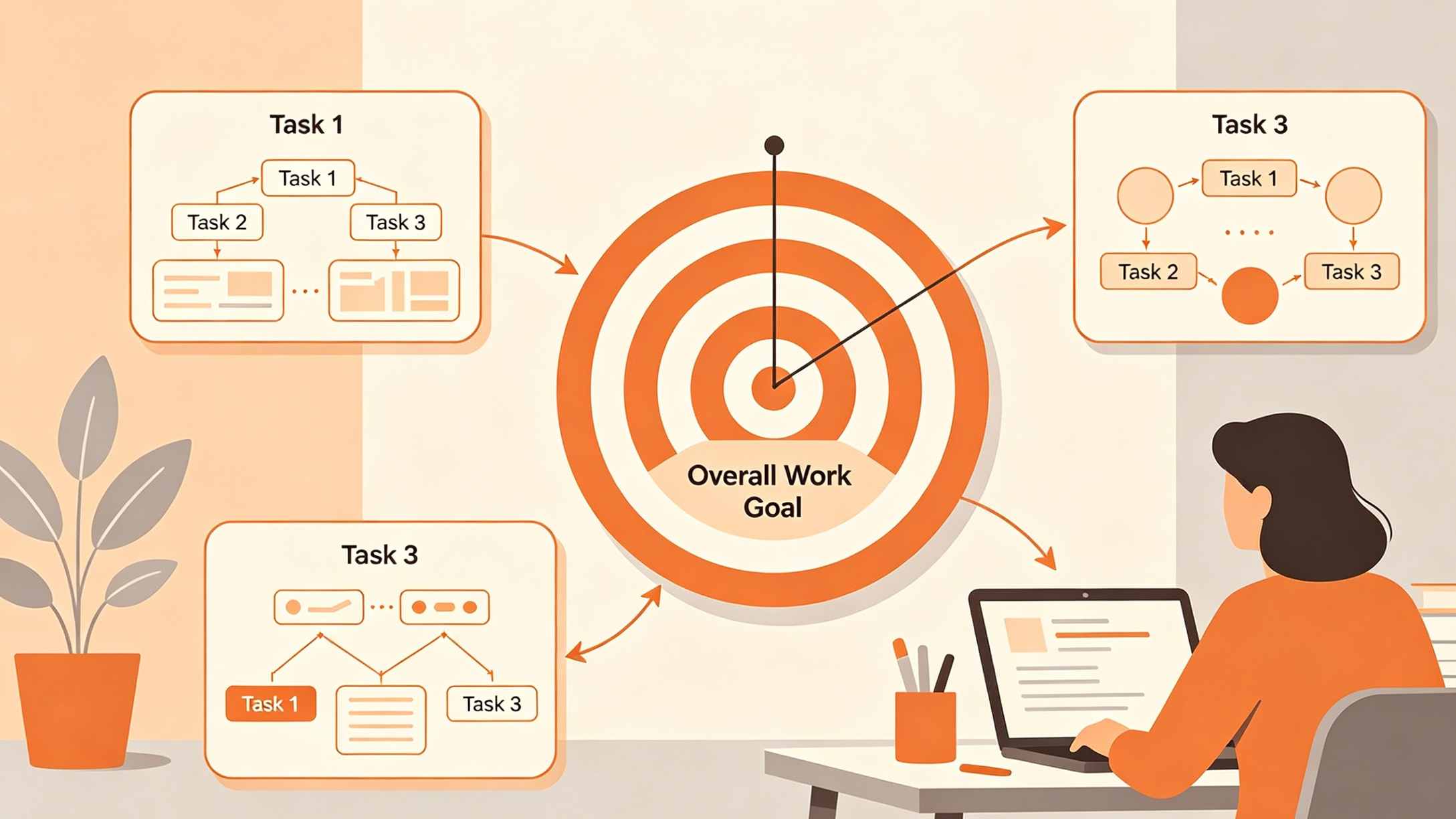
Hotel lead management is the systematic architecture used to capture, track, evaluate, and convert potential guest inquiries into confirmed bookings. In an era where digital disruption has reshaped traveler behavior, the ability to manage these leads is no longer a peripheral sales function; it is the cornerstone of a hotel’s financial health and operational efficiency. Whether an inquiry stems from a massive corporate event RFP (Request for Proposal), a wedding planner’s email, or a direct website query about group rates, the way a property handles that initial spark of interest determines its long-term profitability.
Efficient lead management serves as the vital bridge between marketing efforts—which generate awareness—and actual revenue. Without a structured process, high-value inquiries often vanish into the "black hole" of disorganized inboxes or manual spreadsheets, leading to missed opportunities and a heavy reliance on high-commission third-party platforms.
Why Hotel Lead Management is the Foundation of Modern Hospitality Success
The hospitality industry faces an intensifying battle for guest loyalty and direct bookings. Traditional methods of waiting for the phone to ring are obsolete. Today, the "first-to-respond" advantage is a documented reality; research consistently shows that the hotel providing the first professional response to a lead often wins the business.
Reducing Dependency on Online Travel Agencies (OTAs)
One of the most compelling reasons to refine lead management is the financial drain caused by OTA commissions, which typically range from 15% to 30% per booking. By capturing leads through owned channels—such as the hotel website, social media, or direct sales outreach—properties can reclaim these margins. A robust lead management system allows a hotel to own the guest relationship from the very first interaction, enabling personalized upselling and long-term loyalty that OTA platforms intentionally obstruct.
Overcoming the Challenge of Siloed Data
In many traditional hotel environments, sales, marketing, and operations work in silos. Marketing might run a successful campaign that generates hundreds of leads, but if the sales team lacks a centralized system to track them, those leads grow cold. Strategic lead management integrates these departments through a "single source of truth," typically a CRM (Customer Relationship Management) system, ensuring that every touchpoint with a potential guest is recorded and leveraged for conversion.
Elevating the Guest Experience Through Speed
Modern consumers expect near-instantaneous communication. A delay of even a few hours can signal a lack of professionalism to a corporate travel manager or a stressed event planner. Automated lead management ensures that every inquiry receives an immediate acknowledgment, followed by a prioritized, high-quality response from the sales team. This speed does more than just secure the booking; it establishes a brand image of reliability and attentiveness before the guest ever sets foot on the property.
The Strategic Stages of the Hotel Lead Lifecycle
To master lead management, a hotel must view the process as a continuous lifecycle rather than a series of isolated tasks. This lifecycle can be broken down into four distinct, interconnected phases.
How to Generate High-Quality Hotel Leads?
Lead generation is the "top of the funnel." While attracting any traffic is easy, attracting high-intent leads requires precision.
- Direct Website Optimization: A hotel’s website must be more than a digital brochure; it needs to be a lead-capture engine. This includes intuitive inquiry forms for group bookings, weddings, and meetings, often incentivized by exclusive downloadable "Planning Guides" or "Venue Lookbooks."
- Social Selling and Content Marketing: Platforms like LinkedIn are invaluable for targeting corporate travel buyers, while Instagram and Pinterest serve as primary lead sources for the wedding and leisure segments.
- Metasearch and Paid Advertising: Strategic use of Google Hotel Ads or retargeting campaigns can capture users who have shown interest but haven't yet committed to a booking.
The Science of Qualification and Lead Scoring
Not all leads are created equal. A lead for a 50-room corporate retreat over a mid-week period in the off-season is far more valuable than a single-room inquiry during a sold-out weekend.
- Qualification Parameters: Sales teams use criteria such as BANT (Budget, Authority, Need, and Timeline) to determine the viability of a lead.
- Automated Lead Scoring: Modern systems assign numerical values to leads based on their potential revenue, historical relationship with the brand, and the specific dates requested. This allows sales managers to focus their energy on "hot" leads that offer the highest ROI, rather than being bogged down by low-value inquiries.
Nurturing Leads Through Personalized Engagement
Many leads do not convert on the first contact. They require "nurturing"—a process of staying top-of-mind without being intrusive.
- Drip Campaigns: Automated email sequences can provide value-added content, such as "Tips for Organizing a Seamless Conference" or "The Best Local Attractions Near Our Hotel," keeping the property in the prospect's consideration set.
- Personalization at Scale: Using data captured during the inquiry, sales teams can tailor their follow-ups. If a lead inquired about a wedding, the follow-up should focus on the romance and aesthetics of the venue, whereas a corporate lead should receive information on Wi-Fi speeds, AV capabilities, and proximity to the business district.
Converting Inquiries into Confirmed Revenue
The final stage is conversion. This involves the transition from a "prospect" to a "guest."
- Dynamic Proposal Management: Sending a static PDF is no longer sufficient. Leading hotels use interactive digital proposals that allow prospects to view room layouts, select catering packages, and even sign contracts digitally.
- Overcoming Objections: A centralized lead management system allows sales staff to view the entire history of communication, making it easier to address specific concerns or price sensitivities that were mentioned in earlier stages.
What Features are Essential in Hotel Lead Management Software?
Technology is the engine that drives modern lead management. While spreadsheets might suffice for a small boutique property with minimal group business, larger operations require specialized tools.
Centralized CRM Integration
The CRM is the heart of lead management. It must integrate seamlessly with the Property Management System (PMS) to provide real-time data on room availability and rates. A centralized CRM prevents "double-handling" of data and ensures that if a salesperson leaves the company, the history of their leads remains within the hotel’s ecosystem.
Workflow Automation and Trigger-Based Actions
Automation should handle the repetitive tasks, freeing up humans for high-level negotiation.
- Auto-Responders: Instant confirmation that an inquiry was received.
- Task Reminders: If a lead hasn't been contacted within 24 hours, the system should automatically alert the sales manager.
- Status Updates: Moving a lead from "Inquiry" to "Proposal Sent" or "Lost" should be a simple, one-click action that updates all relevant dashboards.
Real-Time Analytics and Pipeline Visibility
A hotel cannot manage what it cannot measure. Essential software features include:
- Conversion Rate Tracking: What percentage of website inquiries turn into bookings?
- Lead Source Analysis: Which channel (Google, LinkedIn, Referrals) provides the highest-value leads?
- Sales Team Performance: Monitoring response times and closing ratios for individual team members.
Mobile Accessibility for On-the-Go Sales
Hotel sales managers are rarely tethered to a desk. They are often giving site tours or attending industry events. A mobile-responsive lead management tool allows them to update lead statuses, add notes from a conversation, or respond to an urgent RFP directly from their smartphone.
How to Build a High-Performing Hotel Lead Management Workflow?
Building a workflow requires a combination of clear policy and technological enablement. A haphazard approach leads to inconsistent guest experiences and lost revenue.
Step 1: Mapping the Lead Journey
Start by documenting every possible way a lead can enter your system. Is it a phone call to the front desk? A DM on Instagram? A form on the website? For each entry point, define who is responsible for the initial response and what the "standard of excellence" looks like for that response.
Step 2: Defining Lead Triage Rules
Establish clear rules for lead distribution. Should leads be assigned based on geography, market segment (e.g., one person handles weddings, another handles corporate), or a simple "round-robin" system? Clear ownership prevents leads from falling through the cracks.
Step 3: Implementing the "5-Minute Rule"
In the digital world, the "half-life" of a lead is incredibly short. Aim for an initial response within five minutes of an inquiry. While this might be an automated message, the follow-up by a human should ideally occur within the same business day.
Step 4: Establishing a Follow-Up Cadence
Most sales are made after the fifth contact, yet most salespeople stop after the second. A structured workflow should mandate a specific cadence:
- Day 1: Initial response and qualification.
- Day 2: Personalized proposal or follow-up call.
- Day 4: "Value-add" follow-up (e.g., sharing a testimonial from a similar event).
- Day 7: Final check-in or "break-up" email to clear the pipeline.
Step 5: Regular Pipeline Reviews
Weekly sales meetings should focus on the "pipeline"—the total value of active leads at various stages. This helps the revenue management team forecast occupancy and adjust pricing strategies based on the volume of incoming business.
The Role of the Hotel Lead Manager: Beyond Simple Sales
While many hotels distribute lead management across the sales team, larger properties often employ a dedicated Lead Manager or Director of Sales Operations. This role is pivotal in ensuring the system functions at peak efficiency.
Key Responsibilities of a Lead Manager
- System Administration: Ensuring the CRM data is clean and that integrations with the PMS are functioning.
- Lead Distribution: Acting as a "traffic controller" to ensure the right leads go to the right salespeople.
- Training and Accountability: Coaching the sales team on best practices for communication and ensuring they adhere to the established follow-up cadence.
- Collaboration with Marketing: Providing feedback to the marketing team on lead quality. If a specific campaign is generating many leads but zero conversions, the Lead Manager identifies this trend so marketing can pivot.
Common Challenges in Hotel Lead Management and Solutions
Even with the best intentions, hotels often encounter friction in their lead management processes. Identifying these early is key to maintaining momentum.
The "Volume vs. Quality" Dilemma
Sometimes, a hotel is overwhelmed by low-quality inquiries that consume the sales team's time.
- Solution: Implement more detailed inquiry forms. By asking for specific dates, estimated budgets, and event types upfront, you naturally filter out casual "tire-kickers" and provide your team with the data they need to prioritize.
High Staff Turnover
The hospitality industry is notorious for high turnover. When a salesperson leaves, they often take their "knowledge" of leads with them.
- Solution: Strict adherence to CRM logging. If every conversation, email, and preference is logged in the system, a new staff member can step in and continue the relationship without a hitch.
Failure to Track "Lost" Leads
Many hotels focus only on the wins. However, "lost" leads contain the most valuable data for improvement.
- Solution: Require a "Reason for Loss" for every lead that doesn't convert (e.g., price, date unavailable, lack of specific facility). Over time, this data may reveal that the hotel needs to renovate its ballroom or adjust its weekend pricing to stay competitive.
Measuring the Success of Your Lead Management Strategy
To ensure your strategy is working, you must track specific Key Performance Indicators (KPIs).
Lead-to-Booking Conversion Rate
This is the most critical metric. It tells you what percentage of inquiries actually result in revenue. A low conversion rate despite high lead volume suggests a problem with either lead quality or the sales team’s closing skills.
Average Response Time
Monitor the time elapsed between an inquiry hitting the system and the first human response. In the competitive MICE segment, reducing this time from 4 hours to 30 minutes can significantly increase win rates.
Cost Per Lead (CPL) and Customer Acquisition Cost (CAC)
By comparing the cost of your marketing efforts to the number of leads generated, you can determine the efficiency of your channels. Furthermore, calculating the CAC helps you understand the true profitability of your direct booking strategy compared to OTA commissions.
Pipeline Value
This represents the total potential revenue of all active leads. It serves as an "early warning system" for future occupancy gaps. If the pipeline for Q4 is looking thin in July, marketing can launch targeted campaigns to fill the void.
Summary of Effective Hotel Lead Management
Strategic hotel lead management is the engine of modern hospitality revenue. By moving away from manual, reactive processes and embracing automated, data-driven systems, hotels can significantly increase their direct bookings and reduce their reliance on expensive third-party platforms. The core of success lies in speed, personalization, and a relentless focus on the lead lifecycle—from the first digital touchpoint to the final confirmation. When sales, marketing, and technology align, a hotel transforms from a passive service provider into a proactive revenue-generating powerhouse.
Frequently Asked Questions (FAQ)
What is the difference between a lead and a booking?
A lead is an expression of interest or an inquiry from a potential guest or event organizer who hasn't committed yet. A booking is a confirmed reservation where a contract has been signed or a deposit has been paid. Lead management is the process of moving a prospect from the "interest" phase to the "confirmed" phase.
Why should my hotel use a CRM for lead management instead of Excel?
While Excel is a great tool for data entry, it lacks automation, real-time collaboration, and integration capabilities. A CRM centralizes communication, sets automatic reminders for follow-ups, provides deep analytics, and ensures that guest data is secure and accessible to the entire team, even if individual staff members leave.
How can I improve my hotel's lead response time?
Start by implementing automated "Instant Acknowledgment" emails. Then, use a lead management system that sends push notifications to sales managers' mobile devices the moment a high-value inquiry arrives. Establishing a clear internal SLA (Service Level Agreement) that mandates a human response within a specific timeframe (e.g., 2 hours) is also essential.
Does lead management only apply to group bookings and events?
No. While it is most commonly used for high-value segments like MICE (Meetings, Incentives, Conferences, and Exhibitions) and weddings, lead management principles apply to individual leisure travelers too. For example, capturing an email address from someone who abandons a booking on your website and following up with a special offer is a form of lead management.
What is lead scoring in the context of hotels?
Lead scoring is a method of ranking inquiries based on their value to the hotel. A lead might get a higher score if it requests dates during a low-occupancy period, involves multiple room nights, or comes from a corporate account with a high history of repeat business. This helps the sales team prioritize which inquiries to handle first.
-
Topic: Boosting Hotel Bookings: 6 Strategies for Lead Management Success – Landmark Hotel Grouphttps://www.landmarkhotelgroup.com/blog/boosting-hotel-bookings-6-strategies-for-lead-management-success/
-
Topic: Lead Generation for Hotels: 19 Quick Steps to Begin Todayhttps://botpenguin.com/blogs/lead-generation-for-hotels
-
Topic: Hotel Sales Lead Generation Strategies for Direct Bookingshttps://www.monday.com/blog/crm-and-sales/hotel-sales-lead-generation/