Home
Home
Grok Imagine Unleashes Advanced Image Editing and Multi-Image Composition Capabilities
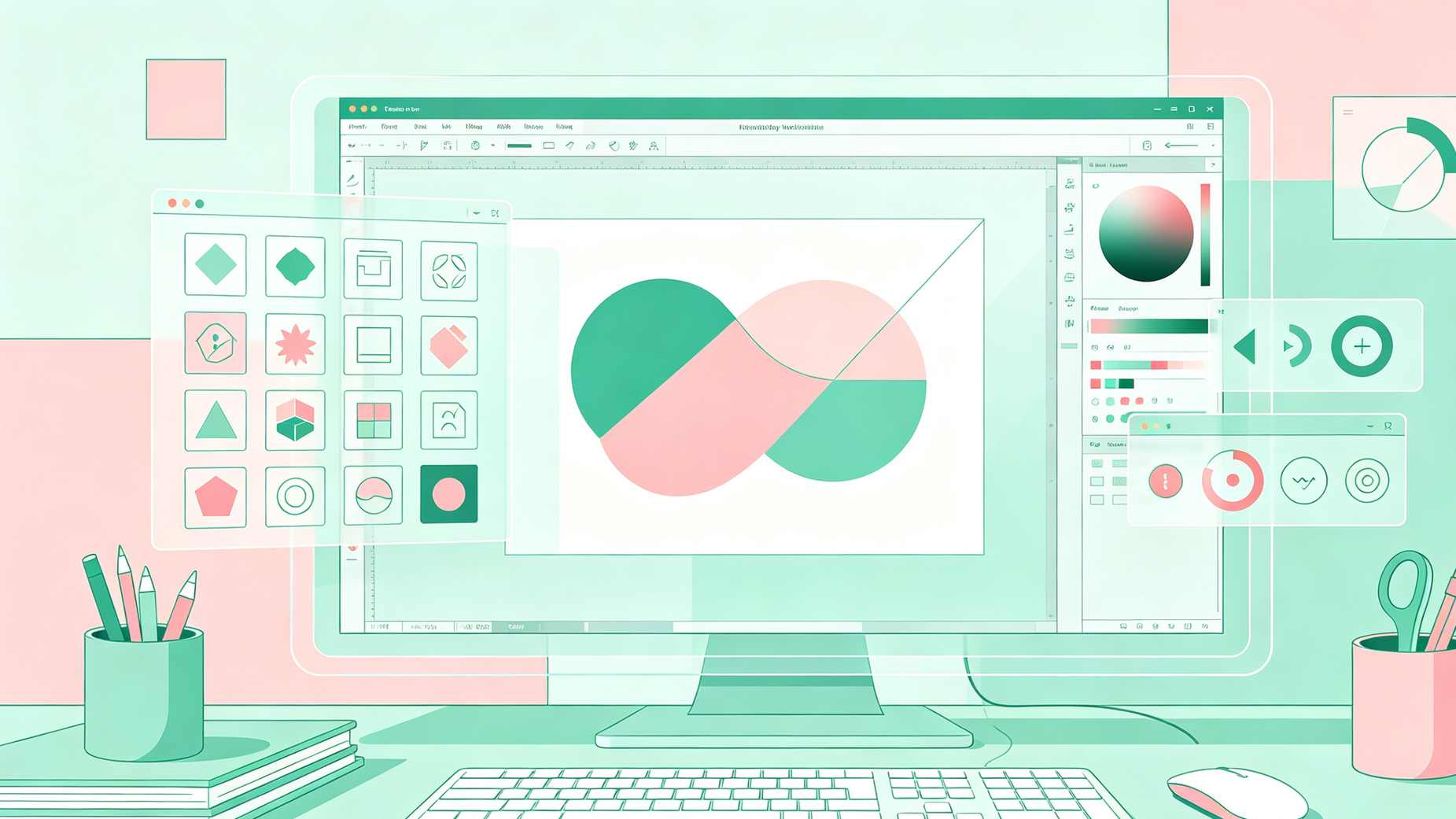
Grok Imagine has evolved from a simple text-to-image generator into a sophisticated visual intelligence suite integrated directly into the xAI ecosystem. While many AI models focus primarily on initial creation, Grok Imagine prioritizes the iterative creative process, allowing users to modify, blend, and animate visuals through natural language dialogue. Driven by the proprietary Aurora model, these capabilities bridge the gap between abstract concepts and refined digital assets, offering a conversational alternative to traditional, labor-intensive design software.
The core of Grok Imagine’s editing prowess lies in its ability to interpret contextual instructions within an existing visual framework. Instead of regenerating a new image from scratch when a detail is misaligned, the system allows for targeted adjustments to lighting, backgrounds, and specific objects. This functionality is supported by multi-image referencing and a seamless pipeline that extends static images into cinematic video clips, creating a unified workflow for creators on X and developers utilizing the xAI API.
Conversational Image Manipulation Through Natural Language
The primary innovation of Grok Imagine is the elimination of complex selection tools and layer masks in favor of natural language editing. This approach treats image modification as a collaborative dialogue between the creator and the AI.
Contextual Object Modification
Users can upload an existing image and issue specific commands to alter elements within the frame. This includes adding new items, such as "add a futuristic headset to the subject," or modifying existing ones, like "change the cat's fur color to midnight blue." The Aurora model excels at understanding spatial relationships, ensuring that newly added objects respect the existing shadows, reflections, and perspective of the original scene. This contextual awareness prevents the "pasted-on" look common in lower-tier AI editing tools.
Lighting and Atmospheric Adjustments
One of the most powerful aspects of the editing suite is the ability to overhaul the mood of a scene without changing its fundamental structure. Commands such as "make the lighting feel like a rainy neon-lit Tokyo street" or "adjust the color grade to a warm 70s film aesthetic" demonstrate the model’s deep understanding of cinematic theory. In professional testing, these adjustments maintain the integrity of the subject’s features while remapping the global illumination and color palette with remarkable consistency.
Intelligent Background Swapping
Grok Imagine simplifies environment replacement, a task that traditionally requires precise rotoscoping. By instructing the model to "transport the subject to a minimalist Scandinavian office" or "replace the background with a blurred mountain range at golden hour," users can rapidly prototype different settings for product shots or portraiture. The model utilizes advanced depth estimation to ensure the foreground subject remains sharp while the new background exhibits appropriate levels of bokeh and atmospheric haze.
The Power of Multi-Image Blending and Composition
Beyond single-image edits, Grok Imagine introduces a sophisticated multi-image reference system that allows for the synthesis of disparate visual elements into a single coherent output.
The Three-Reference Framework
The system supports up to three reference images per request. This is not a simple overlaying of pixels but a deep semantic blending. A typical advanced workflow might involve:
- Subject Reference: A photo of a specific character or object to maintain identity.
- Style Reference: An artwork or photograph that defines the desired texture, brushstrokes, or color palette.
- Compositional Reference: A sketch or layout that dictates where elements should be placed within the frame.
By combining these three inputs, Grok Imagine can generate a final image that possesses the identity of the first, the artistic soul of the second, and the structural arrangement of the third. This capability is particularly valuable for brand consistency, where a product must be placed in various scenarios while retaining its exact physical characteristics.
Style Transfer and Restyling
Grok Imagine’s restyling capabilities allow for the transformation of a photograph into virtually any artistic medium. Unlike basic filters, the Aurora model reinterprets the geometry of the source image. For instance, converting a high-resolution urban photograph into a "Studio Ghibli-inspired watercolor" involves not just a change in texture but a simplification of lines and a shift in color harmony that aligns with the specific aesthetic tropes of that style.
Technical Foundations of the Aurora Model
The performance of Grok Imagine is fundamentally tied to Aurora, xAI’s proprietary multimodal model. While the standard Grok chatbot often utilizes the Flux model for quick social interactions, Grok Imagine leverages Aurora for tasks requiring high precision and creative control.
Instruction Following and Photorealism
Aurora is specifically tuned for high instruction-following accuracy. In practical applications, this means the model is less likely to ignore parts of a prompt or hallucinate irrelevant details. The model’s training data emphasizes photorealistic textures—skin pores, fabric weaves, and complex light refractions in glass—making it a preferred choice for editorial fashion and architectural visualization.
Resolution and Output Quality
Grok Imagine supports resolutions up to 2k, providing enough detail for digital publishing and social media marketing. Through the API, developers can configure specific aspect ratios and resolution tiers, ensuring that the edited outputs meet the requirements of various platforms, from vertical mobile displays to wide cinematic headers.
Integrated Image-to-Video Workflow
A defining feature of the Grok Imagine ecosystem is the fluid transition from static editing to temporal animation. This "Image-to-Video" capability ensures that the effort put into refining an image is not lost when moving toward motion content.
Animating the Still Frame
Once an image has been edited to perfection, users can instruct Grok to "animate the water crashing down" or "make the subject slowly turn their head toward the camera." The edited image serves as the first frame of the video, ensuring perfect visual continuity. The model maintains temporal consistency, meaning that the details of the edited subject do not warp or disappear as the video progresses.
Video Generation Specifications
For those using the xAI SDK or the Web interface, video clips are typically generated with durations of up to 15 seconds. The system handles the complex task of predicting motion while preserving the lighting and style established in the editing phase. This integrated pipeline significantly reduces the time required to create high-quality social media content, moving from a prompt to a finished video in a single conversational thread.
Professional Use Cases and Strategic Workflows
The versatility of Grok Imagine’s editing capabilities makes it an essential tool for various professional sectors.
Social Media Marketing and Virality
For content creators on X, the ability to rapidly iterate on visuals is a competitive advantage. A creator can take a trending topic, generate a relevant image, and then quickly edit it to include their brand colors or a specific thematic element. The integrated video feature allows these creators to transform static memes into eye-catching animations that command more attention in the feed.
Rapid Prototyping and Storyboarding
In the film and advertising industries, Grok Imagine serves as a high-speed storyboarding assistant. Directors can upload location photos and "edit" them to include actors, change the time of day, or add specific props. This allows for visual experimentation before a single dollar is spent on physical production. The ability to use up to three references ensures that the storyboards remain consistent across different scenes.
Product Photography and E-commerce
E-commerce brands can use Grok Imagine to place their products in diverse environments without expensive photo shoots. By uploading a high-quality product shot as a reference and using natural language to change the background and lighting, brands can create an entire season's worth of marketing material from a single base image.
Developer Integration and API Capabilities
For developers, the xAI API opens the door to automating complex image editing tasks within their own applications.
API Functionality and Pricing
The images/edits endpoint allows for the programmatic submission of source images and prompts. Priced at approximately $0.05 per image, it offers a cost-effective solution for large-scale creative automation. Developers can send base64-encoded image data or public URLs, making it easy to integrate Grok Imagine into existing cloud-based workflows.
Asynchronous Processing
Video generation and complex multi-image edits are handled asynchronously. The API returns a request ID, allowing applications to poll for status updates. This ensures that the user experience remains smooth, even when the model is performing heavy computational tasks like animating a high-resolution edited scene.
Guardrails, Safety, and Ethical Considerations
As with all xAI products, Grok Imagine operates within a framework of strict content policies designed to prevent misuse.
Deepfake Prevention and Identity Protection
The model is programmed to restrict or refuse edits involving the faces of real public figures or private individuals without consent. This is a critical safeguard against the creation of deceptive deepfakes. While this may limit certain creative endeavors, it ensures that the tool is used responsibly within the social media ecosystem.
Copyright and Branded Material
Grok Imagine incorporates guardrails against the blatant reproduction of copyrighted characters or branded logos. While users can describe styles, the model avoids generating 1:1 replicas of protected intellectual property, encouraging original creative expression rather than digital piracy.
The "Uncanny Valley" and Limitations
Despite its advanced capabilities, Grok Imagine is not infallible. Complex requests—such as those involving precise anatomical positioning or highly specific text rendering within an image—may occasionally result in the "uncanny valley" effect, where the output looks almost, but not quite, correct. It remains a tool for ideation and rapid creation rather than a replacement for high-end manual retouching in professional photography.
Summary of Capabilities
Grok Imagine represents a significant step forward in conversational AI. By treating image editing as a fluid, dialogue-based process, it democratizes high-quality visual creation. Whether it is through swapping a background, blending three distinct references into a new composition, or animating a still photo into a cinematic clip, the tool prioritizes the user's intent over technical complexity. As the Aurora model continues to receive updates—such as the recent improvements to lightbox URLs and generation resumption—the boundary between imagination and digital reality will continue to blur.
Frequently Asked Questions (FAQ)
What is the difference between Grok's chatbot image generation and Grok Imagine?
The standard Grok chatbot typically uses the Flux model for fast, social-centric image generation. Grok Imagine is built on the Aurora model, which is optimized for higher precision, better instruction following, and advanced editing/video capabilities.
Can I edit an image that I didn't generate with Grok?
Yes. Grok Imagine allows you to upload external images and modify them using natural language prompts. You can also use these uploaded images as references for multi-image blending.
How many reference images can I use at once?
Grok Imagine supports up to three source images per request. These can be used to influence the subject, style, and composition of the final output simultaneously.
What are the resolution limits for edited images?
The system currently supports resolutions of 1k and 2k. These are suitable for most digital use cases, including high-quality social media posts and web design.
Is the image-to-video feature included in the editing suite?
Yes, the workflow is integrated. Once you have edited an image to your satisfaction, you can immediately prompt the system to animate it into a video clip, preserving all the edits you just made.
What are the costs associated with using the Grok Imagine API?
Image generation and edits are typically priced at $0.05 per image. Video generation is priced based on duration, approximately $0.08 per second, depending on the chosen resolution (480p or 720p).
Are there restrictions on what I can edit?
Yes. The system enforces strict policies against generating deepfakes of real people, misleading content, or explicit material. Moderation filters will intervene if a prompt or reference image violates these safety standards.